The Tararuas are well known for their extensive hut network, spanning roughly 50 buildings depend on your exact criteria. Many of these are closely spaced in high-patronage areas, but others site marooned. The two most remote huts (at least as measured from their nearest neighbour) are probably the northernmost two - North Mangahao Biv and Burn Hut.
The latter is somewhere I'd lined up for a quick overnighter. It's by all accounts a scenic site albeit without significant grandeur, a chance to be immersed amongst the low scrub that dominates the northern range (along with the Ruahines) without too much investment. It also has the benefit of being on a good loop track, avoiding the need to simply out-and-back the route to tick off the hut.
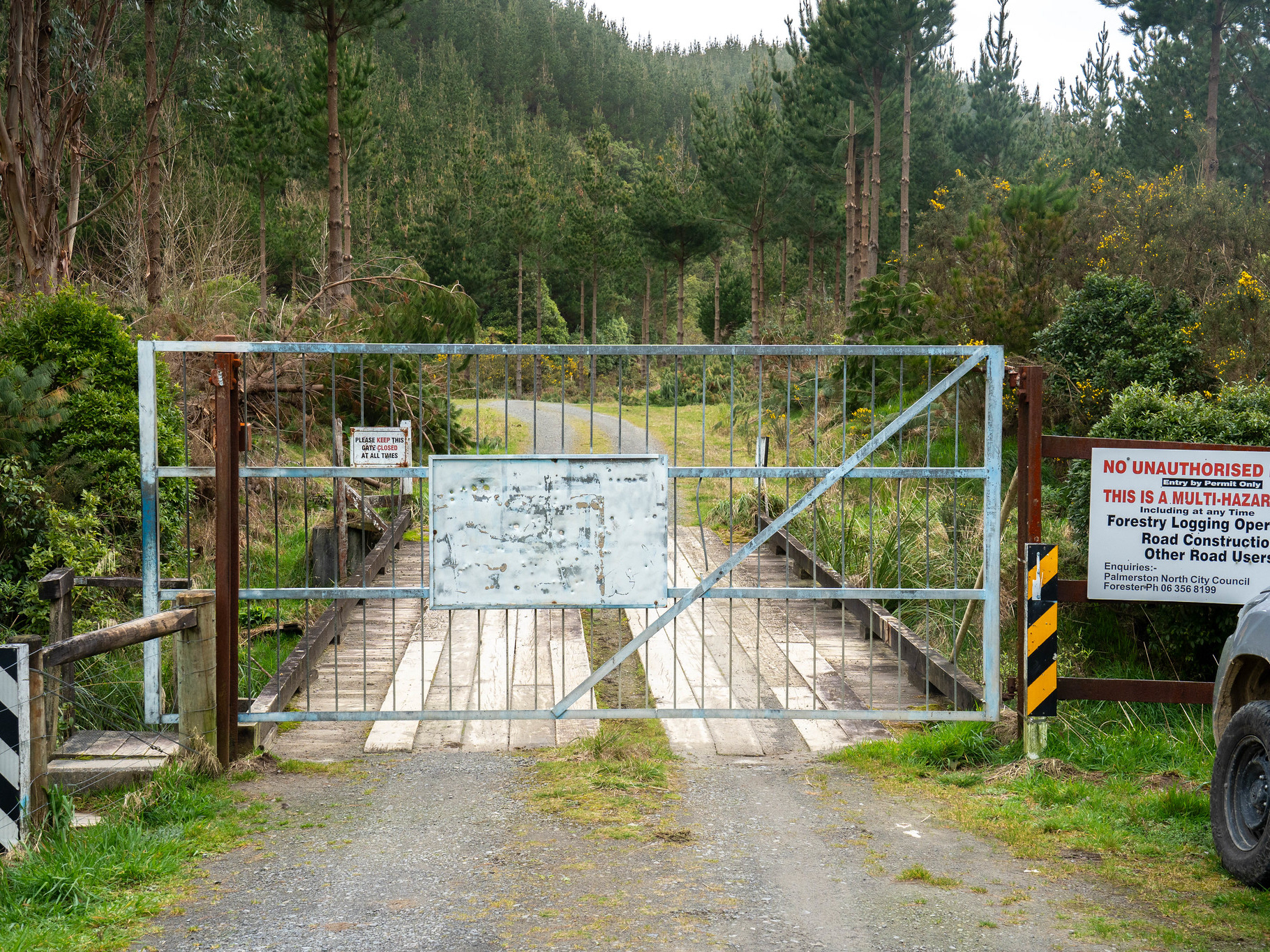
Almost everyone who accesses Burn Hut comes in from the Mangahao dams. These are hydro dams in the head of the Mangahao River, which are accessed off a hydro road that takes off near Shannon. The road is not extensive as the crow flies, but it takes a reasonably long time because of its nature. It's gravel and in some places bedrock, but more pressingly quite narrow and tortuous which means a high degree of caution is required in case anybody is coming the other way. I can't remember the exact timing I took, but it would have been around 45 minutes between the Shannon turnoff and the carpark by the Mangahao #2 dam.
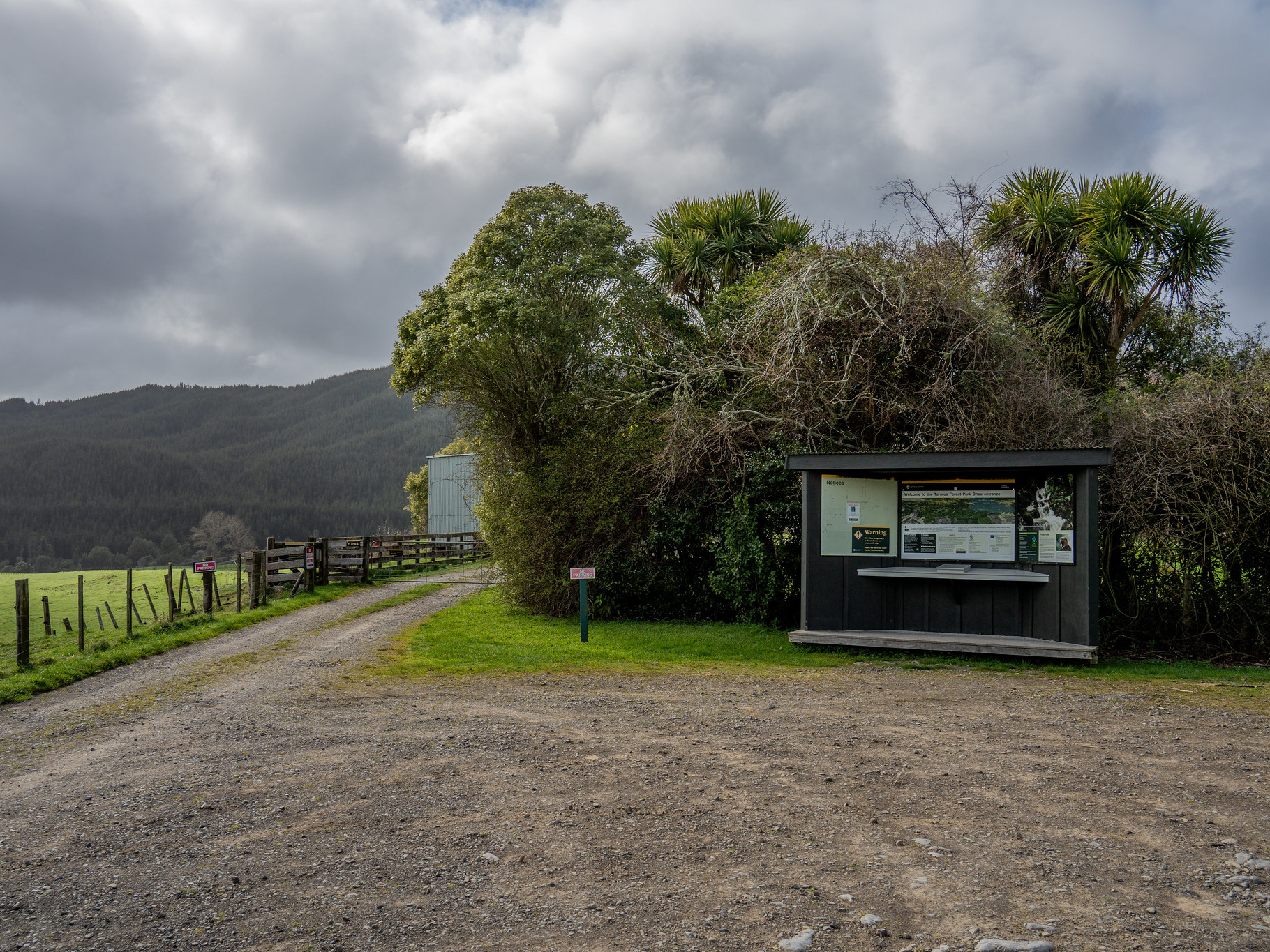
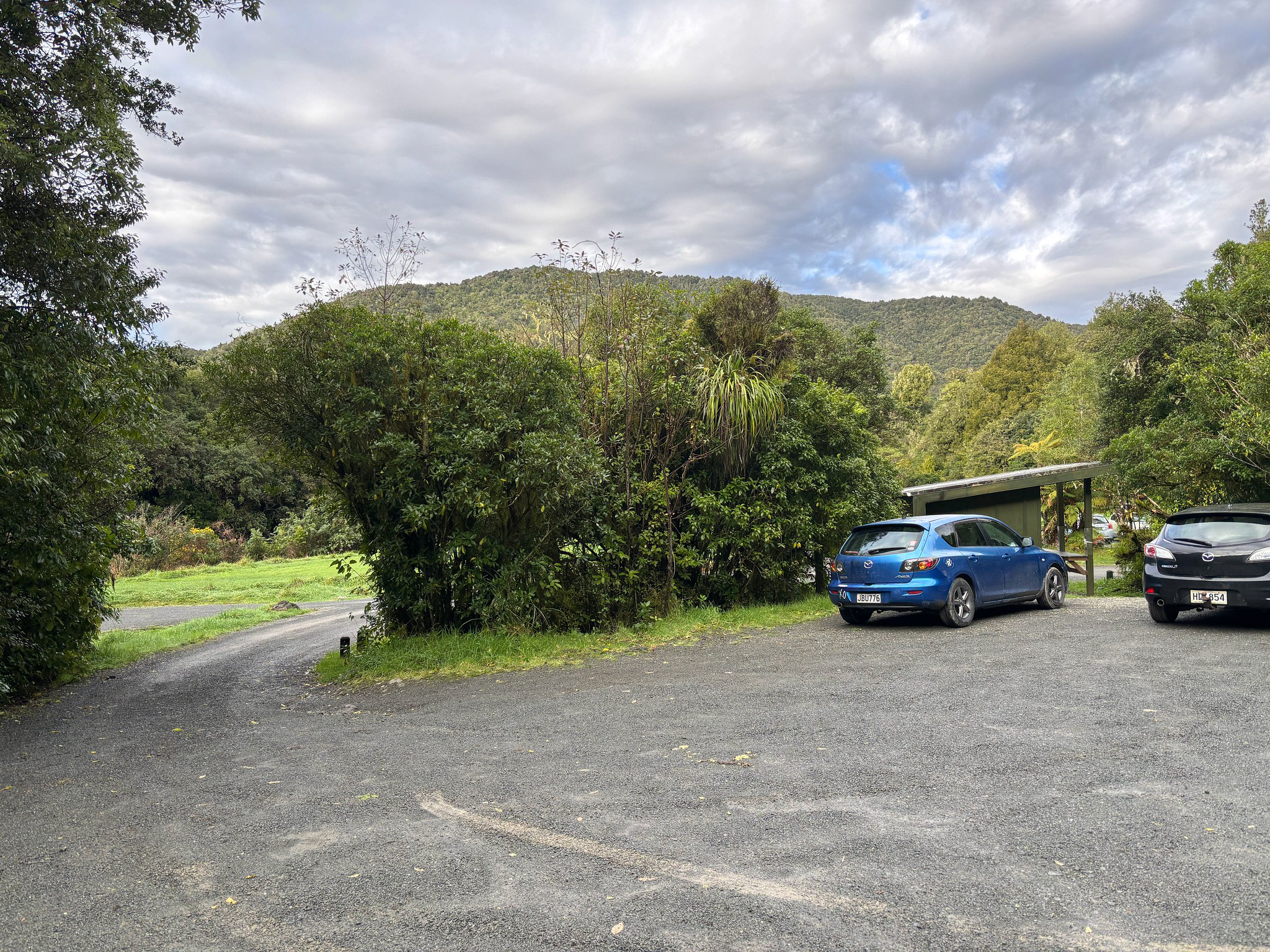
If you are merely doing an out and back, it's quickest to just head in from the #2 dam. If you are completing a loop, either way is fine - I would probably give the nod to clockwise as it means you're looking into the higher Tararua peaks while on the tops. There is very limited and tight parking at the #2 dam, which would fit perhaps 3 cars at a stretch. 

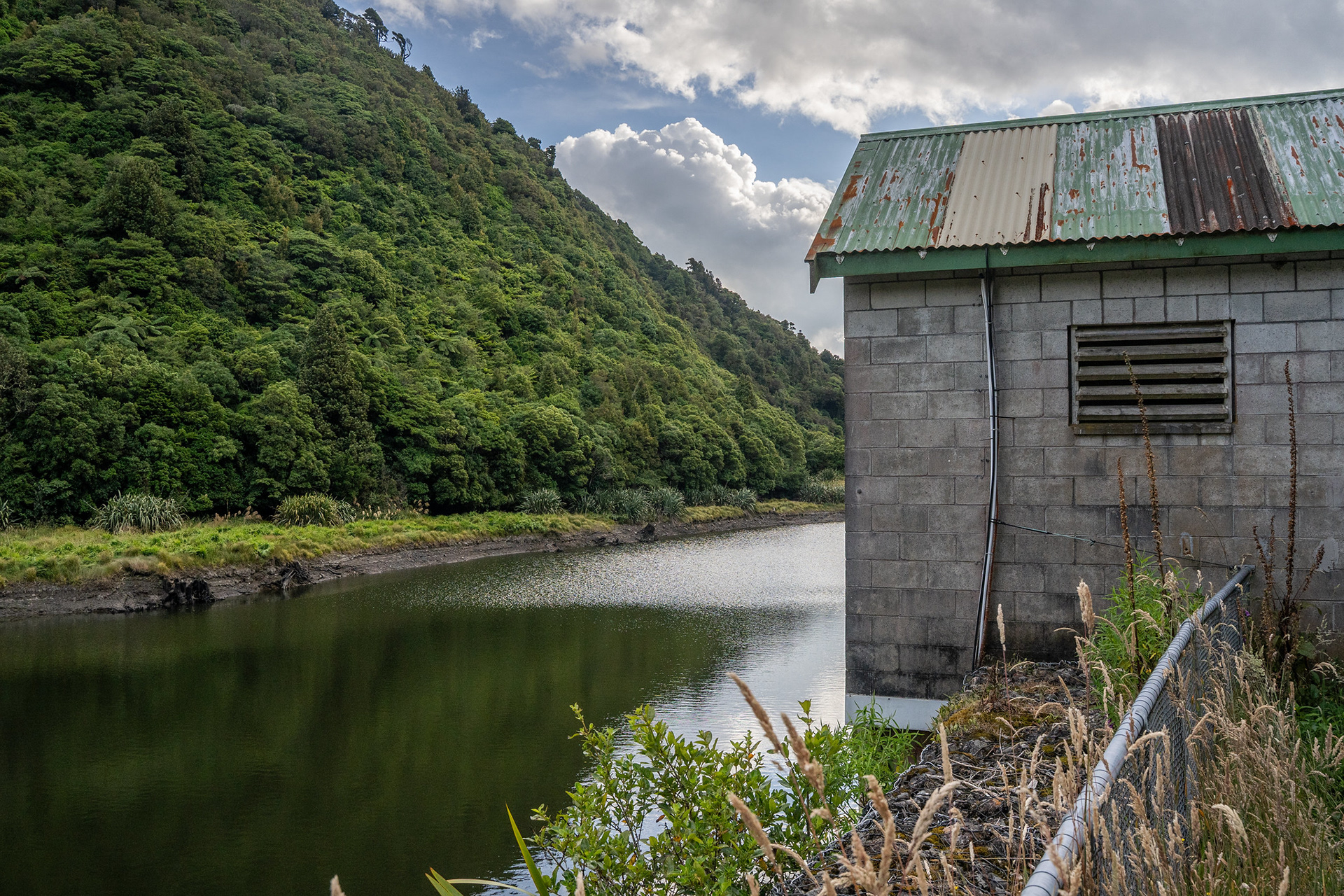
A little bit of architecture by the Mangahao #2 dam carpark.
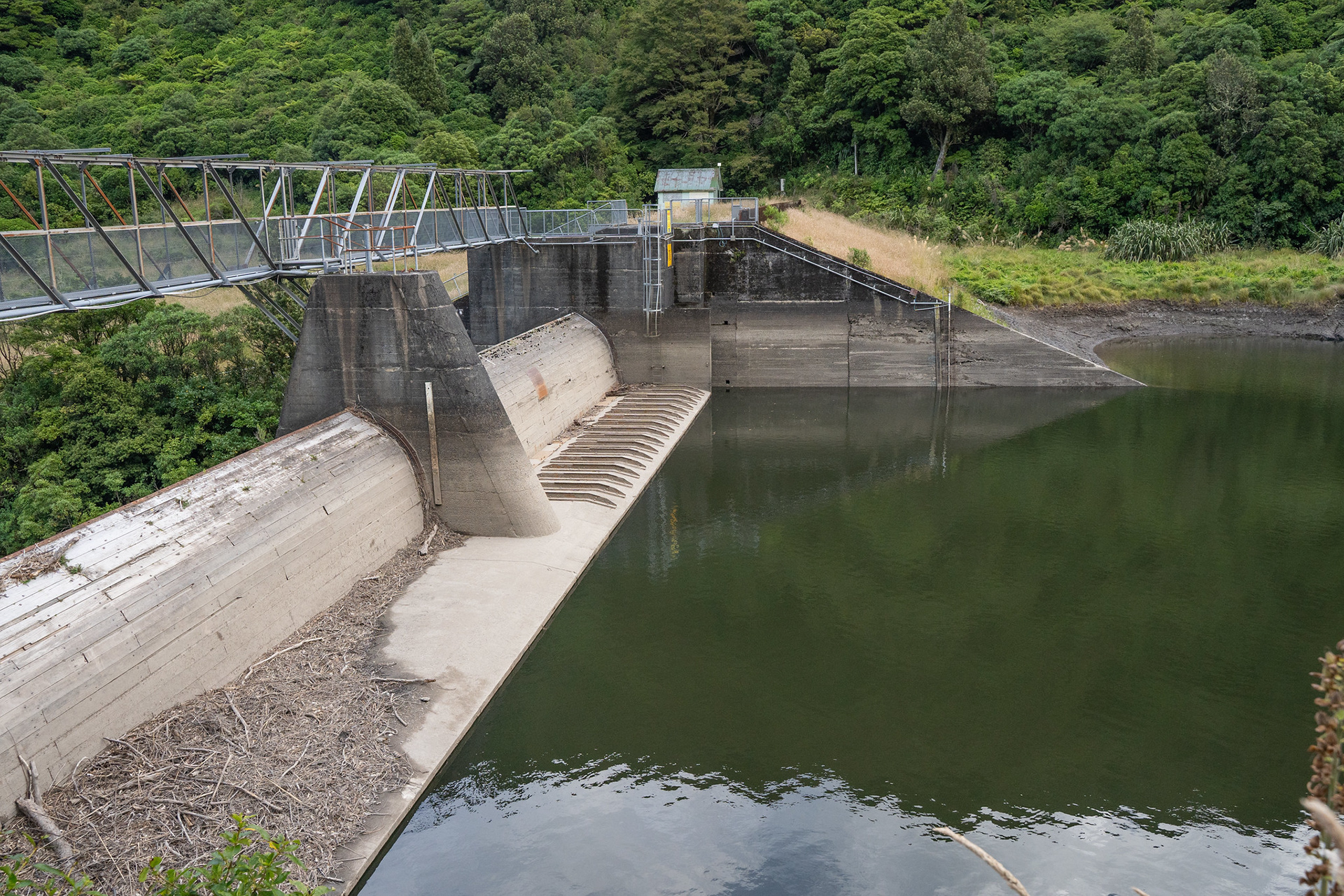
The Mangahao #2 dam itself.
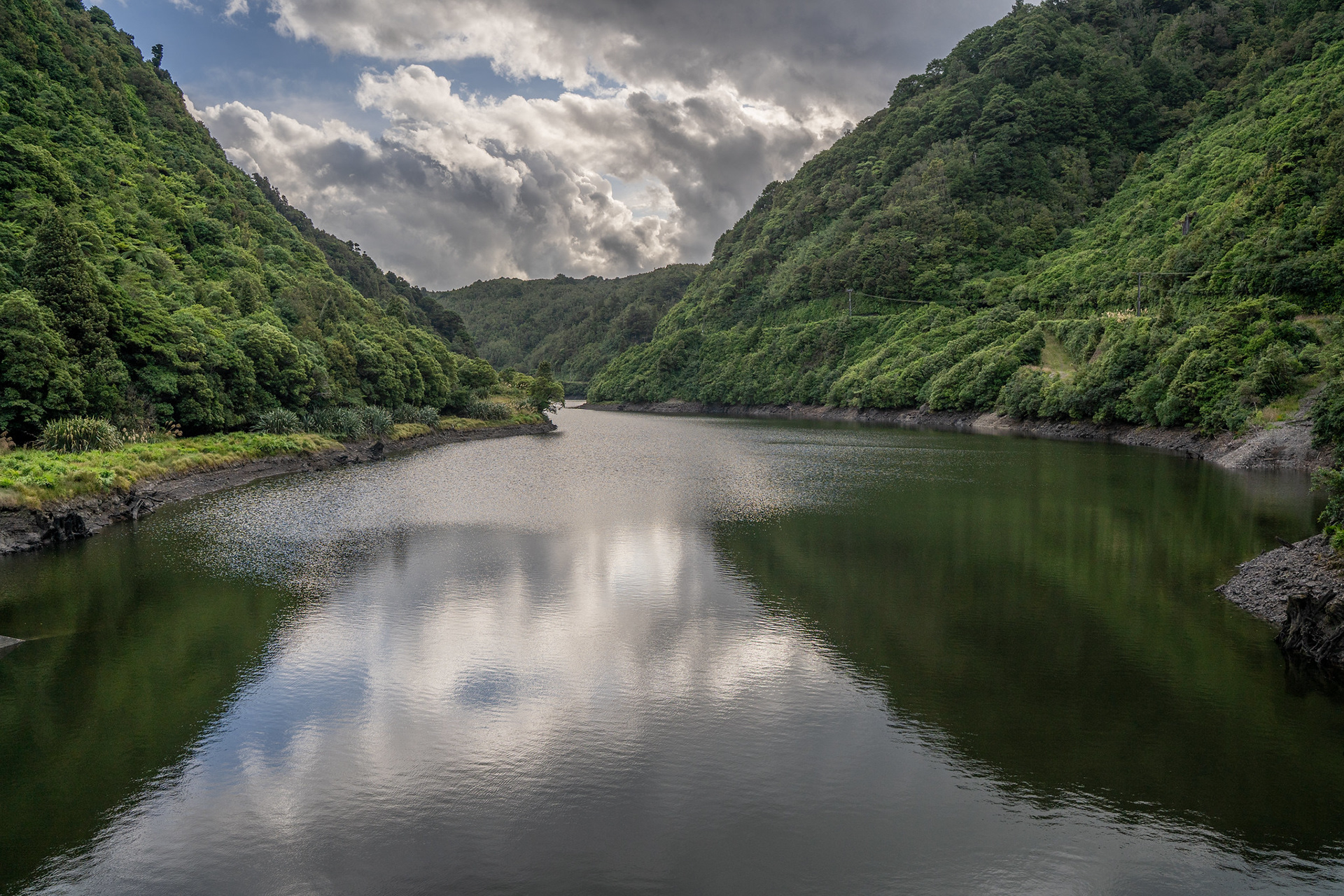
The Mangahao #2 reservoir, quite a scenic spot.
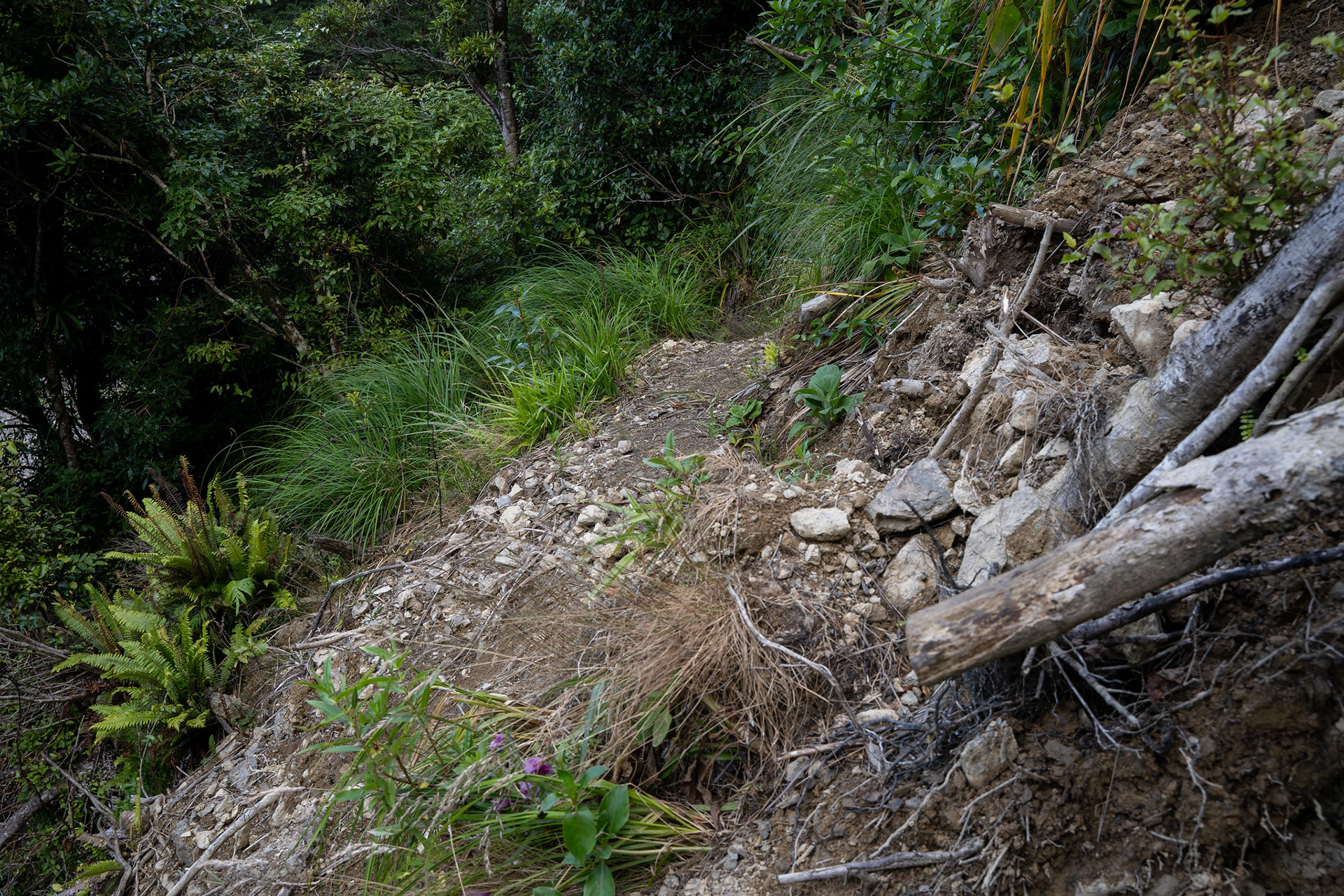
Heading out from the carpark, the route commences by crossing the dam and then abruptly disappearing. Even though there is little to no signage, taking a left and heading through the open grasses leads to the bush margin where a track is picked up. The first section travels alongside the Mangahao River itself, minor ups and downs but nothing significant. A few sections are a bit narrow, and there is one section of windfall which needs some acrobatics to pass.

Typical early track, well formed albeit narrow in spots. This is interspersed with forest travel.
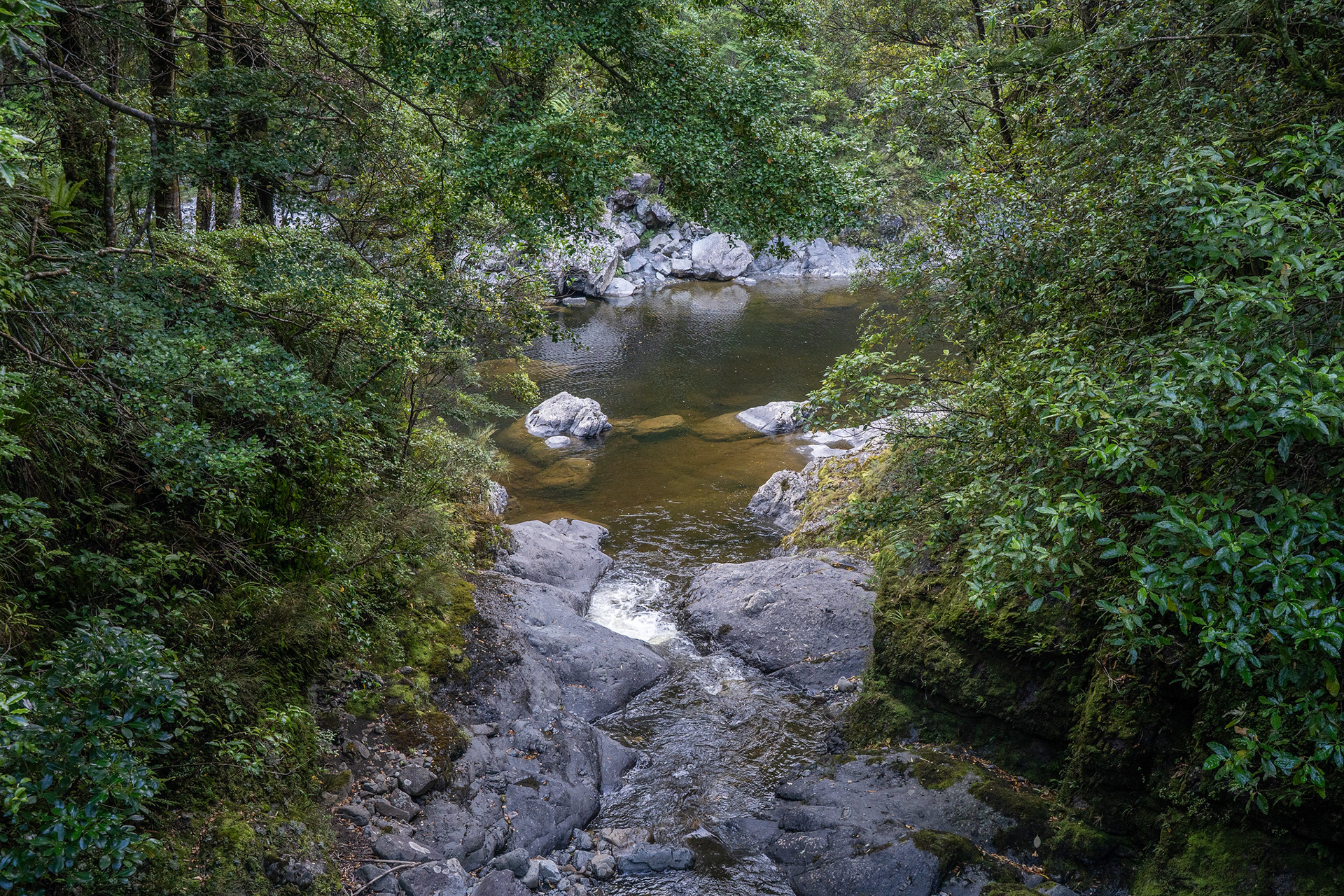
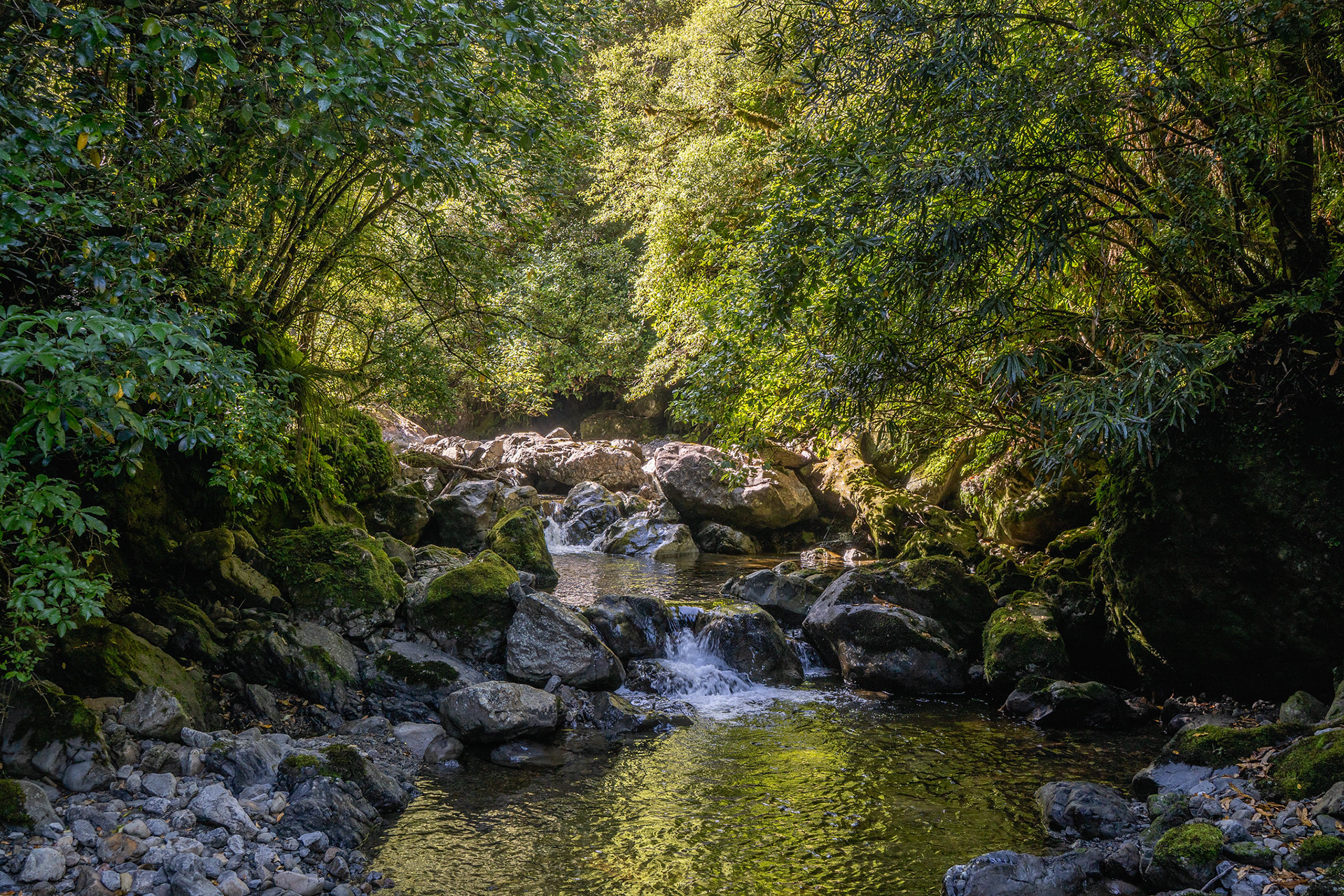
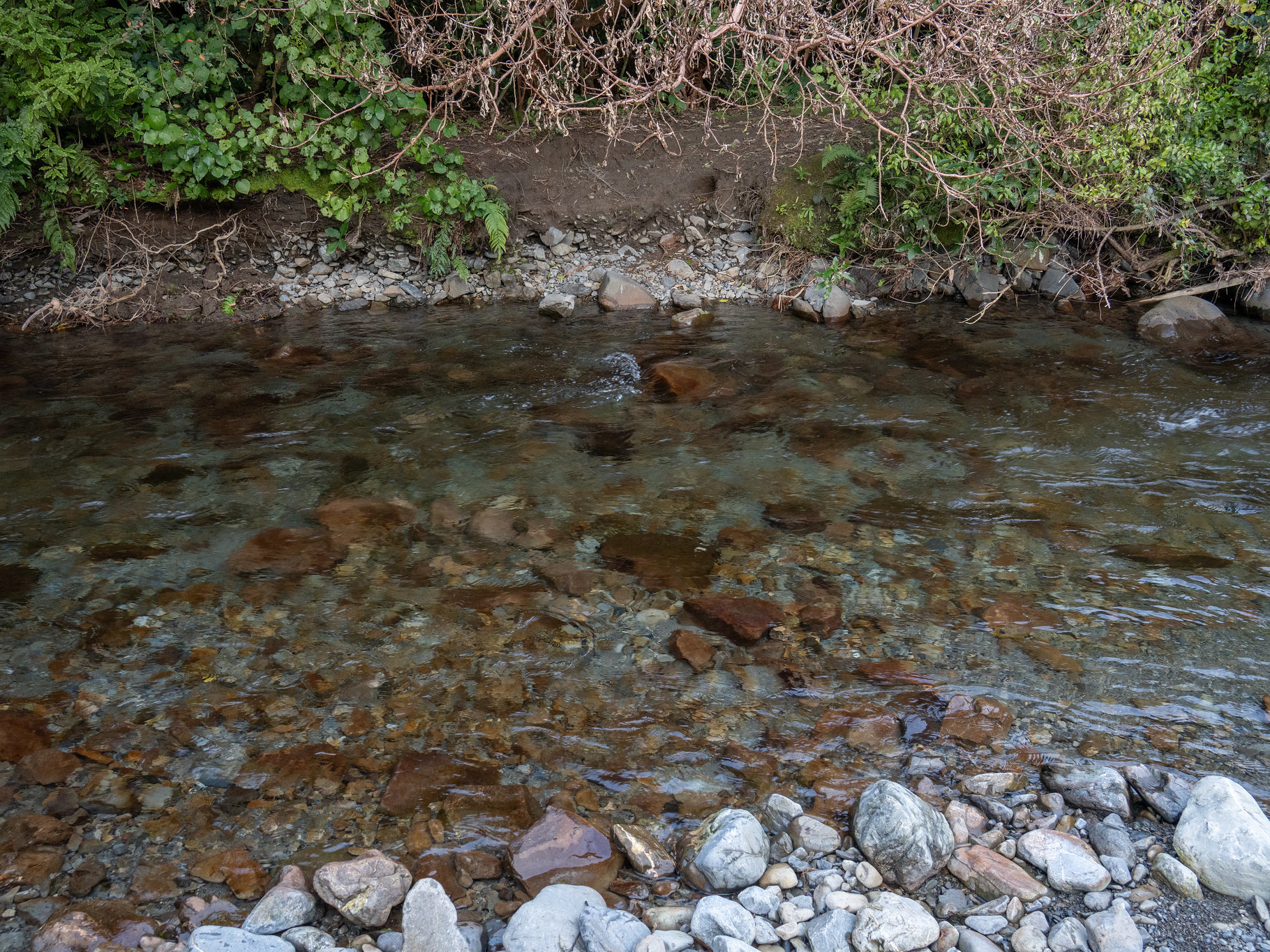
The infant Mangahao River, which slowly ambles east until coming out near Eketahuna.
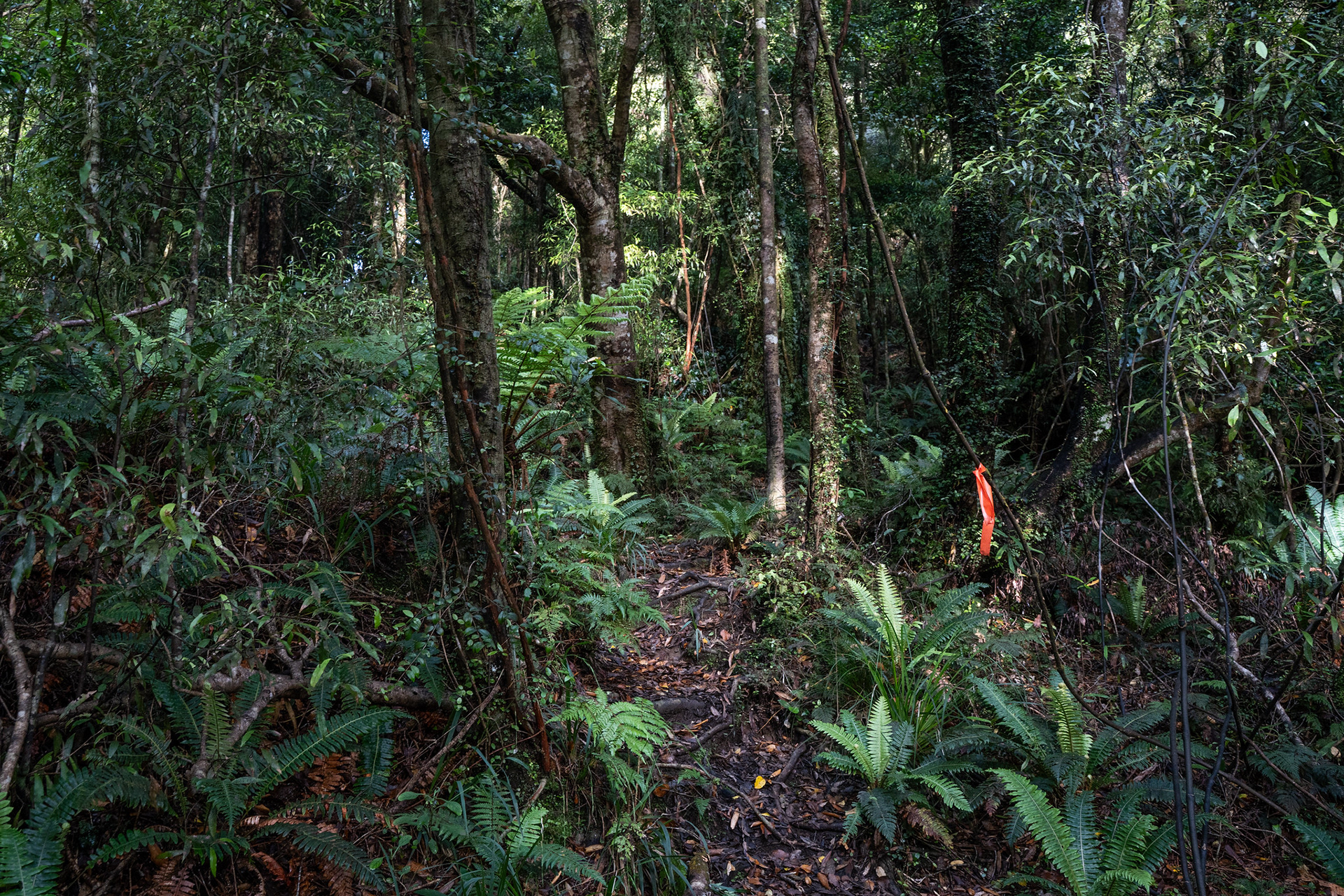
After a couple of kilometres, there's a lovely wee arch bridge and then the climbing commences. Like a lot of my misguided trips, this was a bit of a zero-to-hero effort having done little exercise in many months but fortunately it's quite an amicable gradient. Scraggly forest and the track is a bit vague plus marginally marked in places, but it's a pleasant wander up from the valley floor to the leatherwood margins.

Wandering up through the Tararua bush, a lot of the spur climbing is marked with flagging tape.
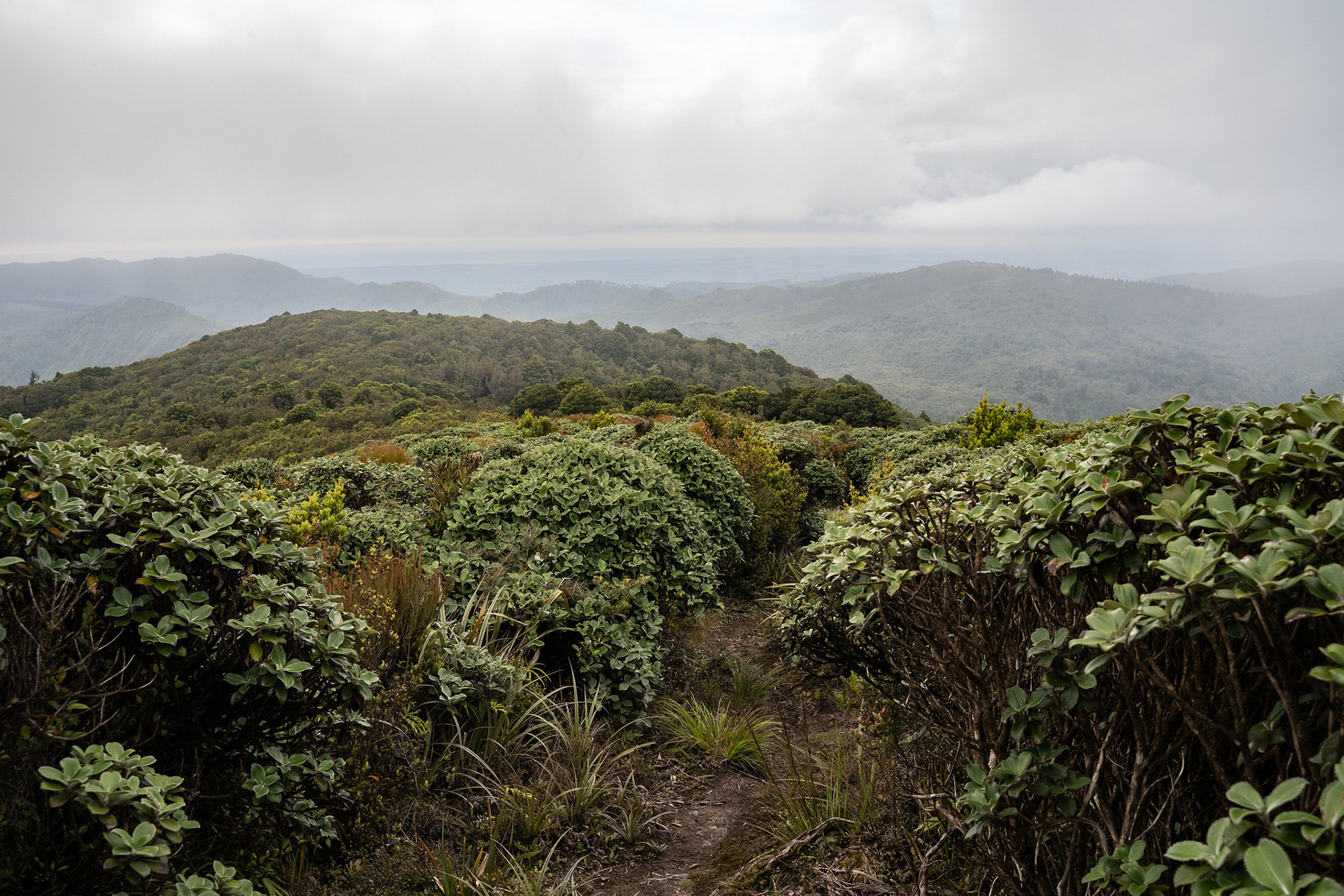
The track gains about 350m of elevation, before passing under a smallish knob (pt. 657) and dropping into a saddle. It then climbs again for a few hundred metres, until the canopy gives way to leatherwood and what would be a view in nicer weather.

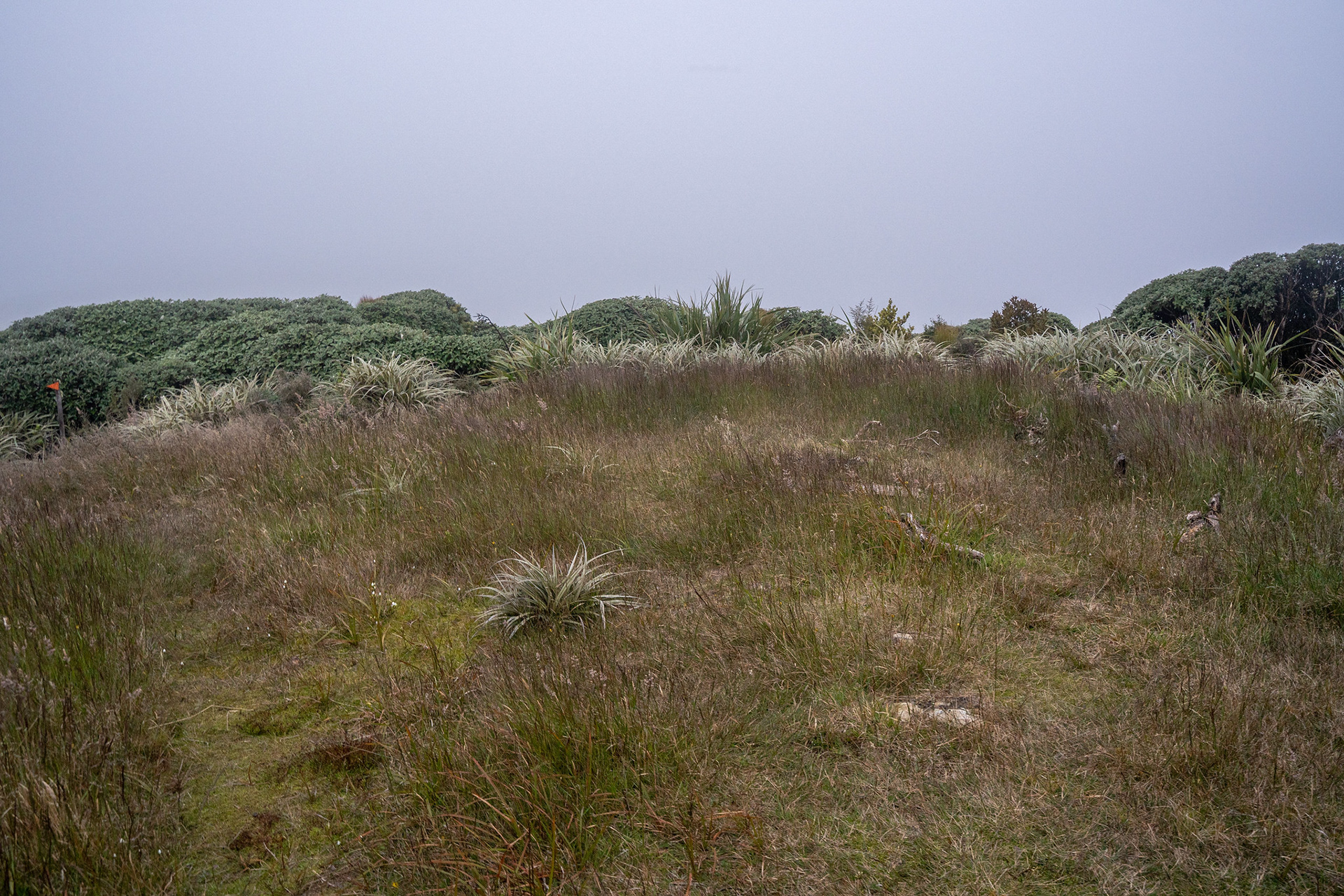
Looking back north from the bush margins, a bit of clag but fortunately no drizzle.
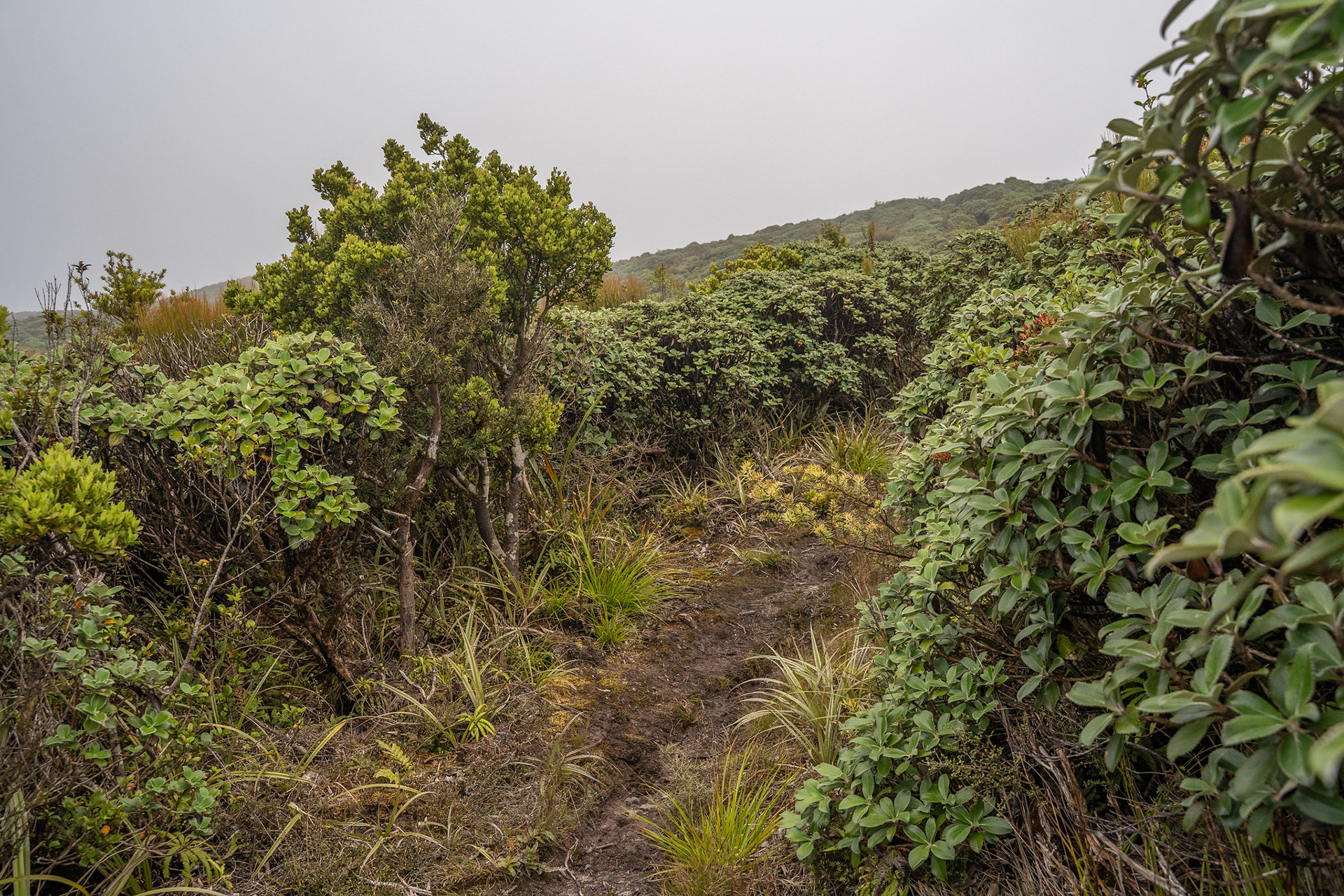
The travel along the tops is now straightforward, courtesy of Ruapehu WorX being contracted to cut it back in 2022. Apparently this used to be a slog of a wander, something I'd readily believe based on my previous encounters with leatherwood bashing. It kind of ambles up and down slightly over many kilometres, before reaching Burn Hut.

Plodding through the northern Tararua tops.
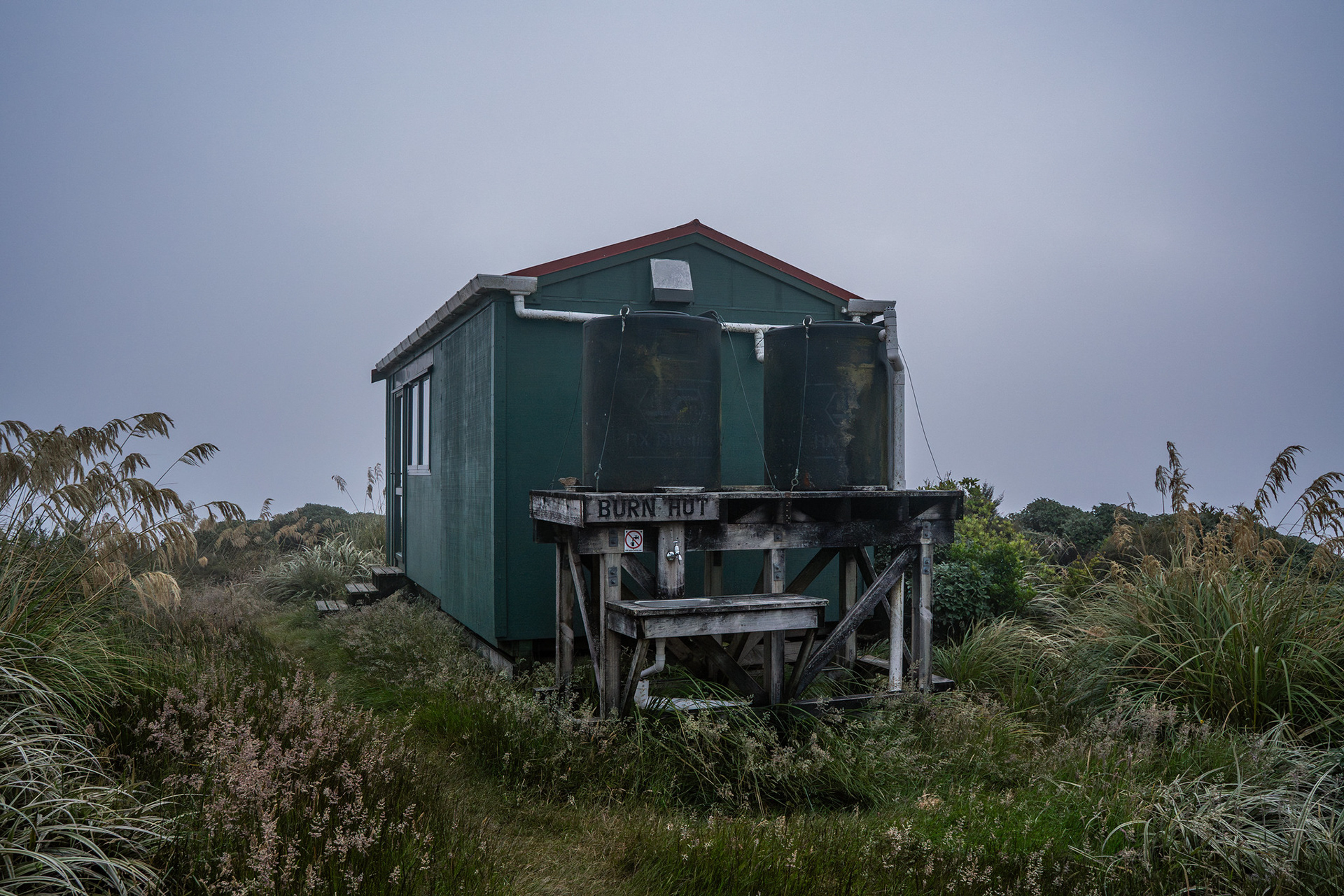
Reaching Burn Hut amongst the limited views.
It had been a bit of a gamble heading out to Burn Hut after work on a Friday, but it was part of the appeal. DOC said 3 - 4h and other parties reported 2.5 - 4.5h, and I had about 1:45 to work with. I had reasoned that nobody else with a job would try to make those timings work (and I finish at 4pm and live in Palmy!), and it proved to be an accurate guess - the hut was mine, and mine only. It had taken a smidge over 1.5h to get there, so I had a few minutes to revel in my exclusive ownership before settling in for dinner and evening relaxation.
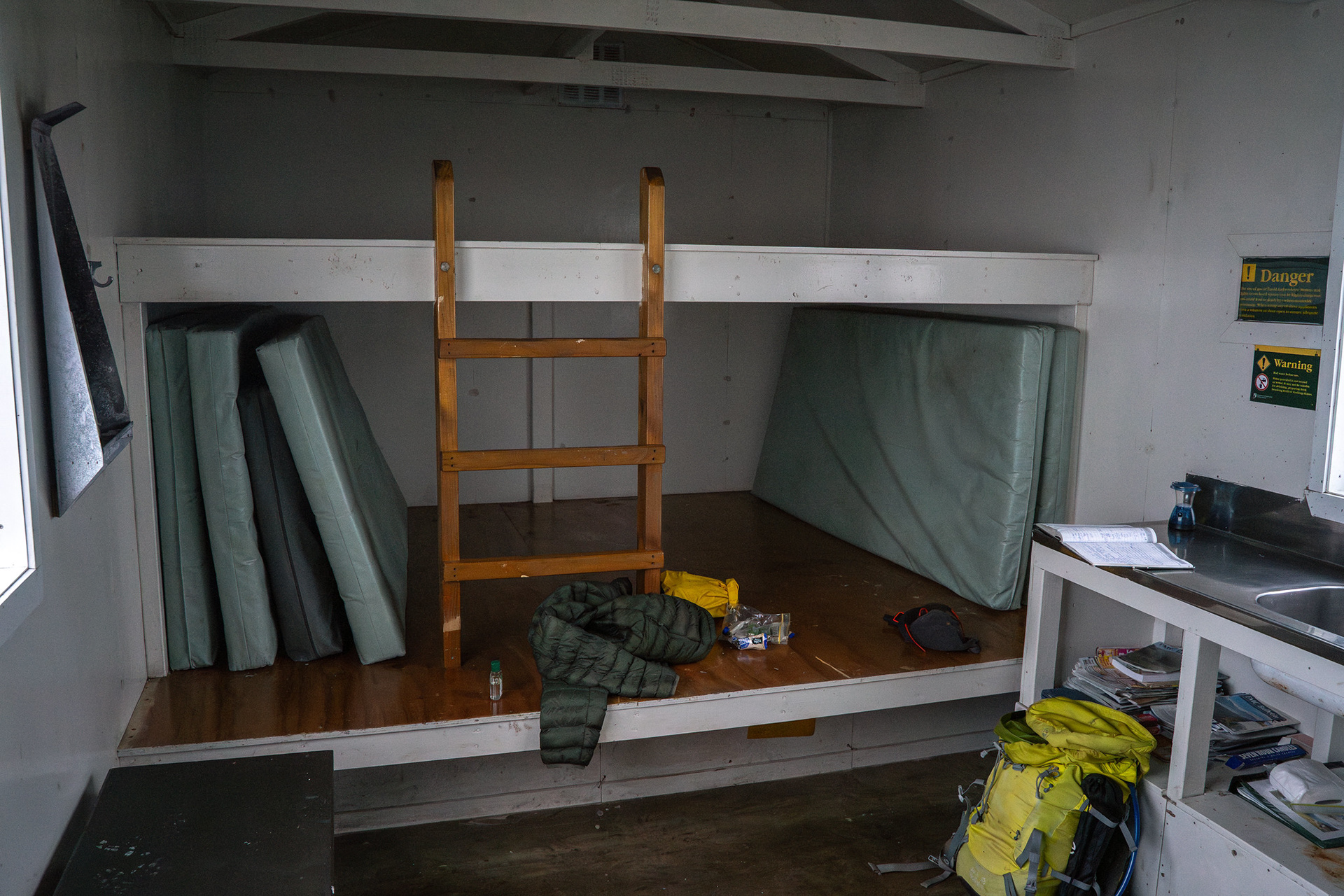
Burn Hut sleeps six, and has decent camping outside. It has a toilet and water tanks, plus a lovely vantage point. It feels like the king of its achievable hill, sitting aloft the range crest with views to the similarly moderate terrain that encompasses it. I found it plenty warm without a fireplace, but I was visiting in January so hardly a litmus test.

Hut internals, excuse the mess.

Camping spots outside the hut.
Some of the online literature raves about the sunrises from Burn Hut, so I was hopeful. I tried to get some astrophotography in during the night, but despite rising every hour until around 2am, the clag never sank sufficiently to see the night sky. Alas.
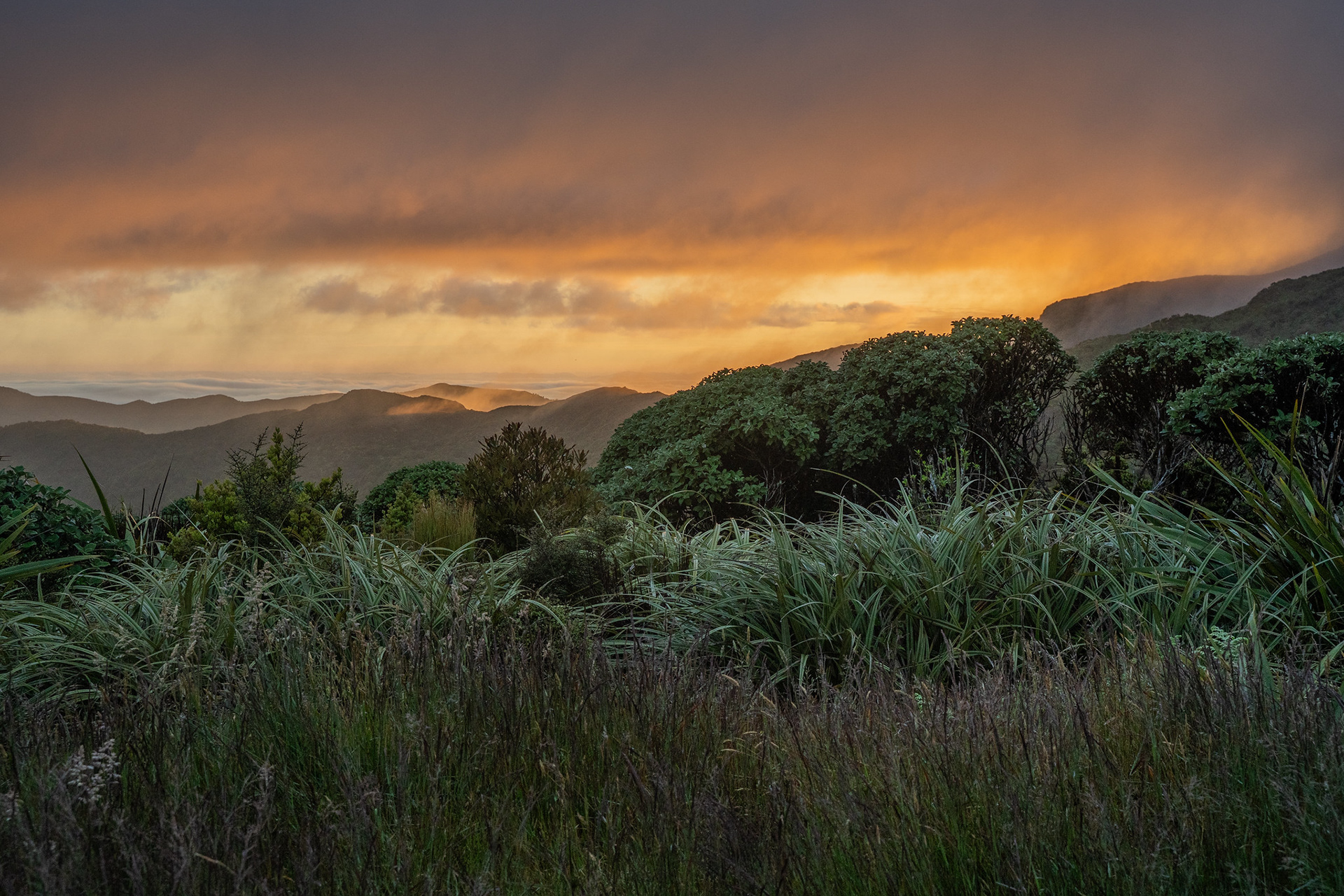
I did rise in time for the sunrise, which was a mixed bag. There was still quite a bit of low cloud, but I could see the horizon so that was something. I could also see some of the remnant cloud had sunk into adjacent valleys, providing a pleasant cloud sandwich.

Didn't really see the sun proper, but still a glorious change of light.
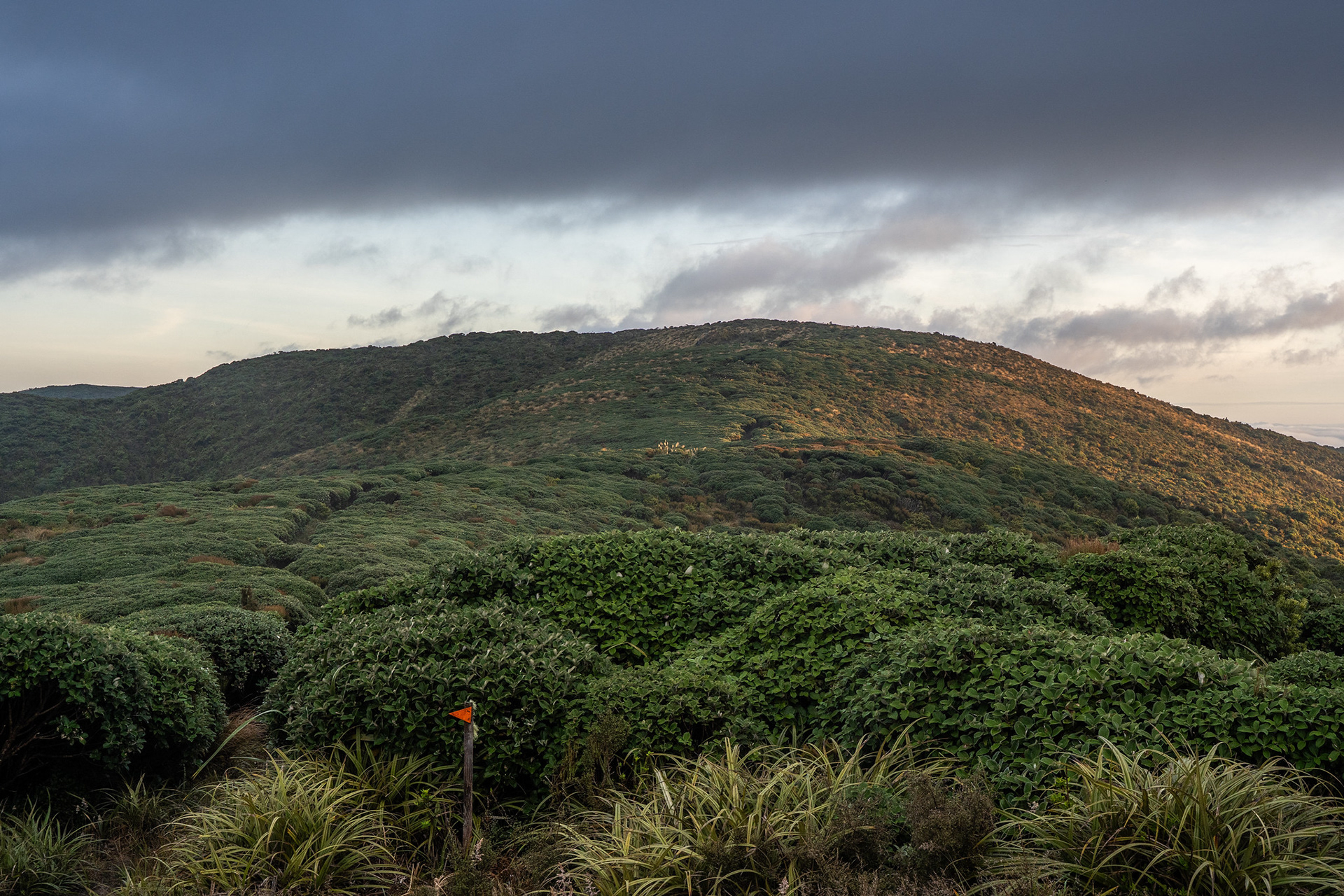
Even the pleasant morning glow impinging on the range was worthwhile.
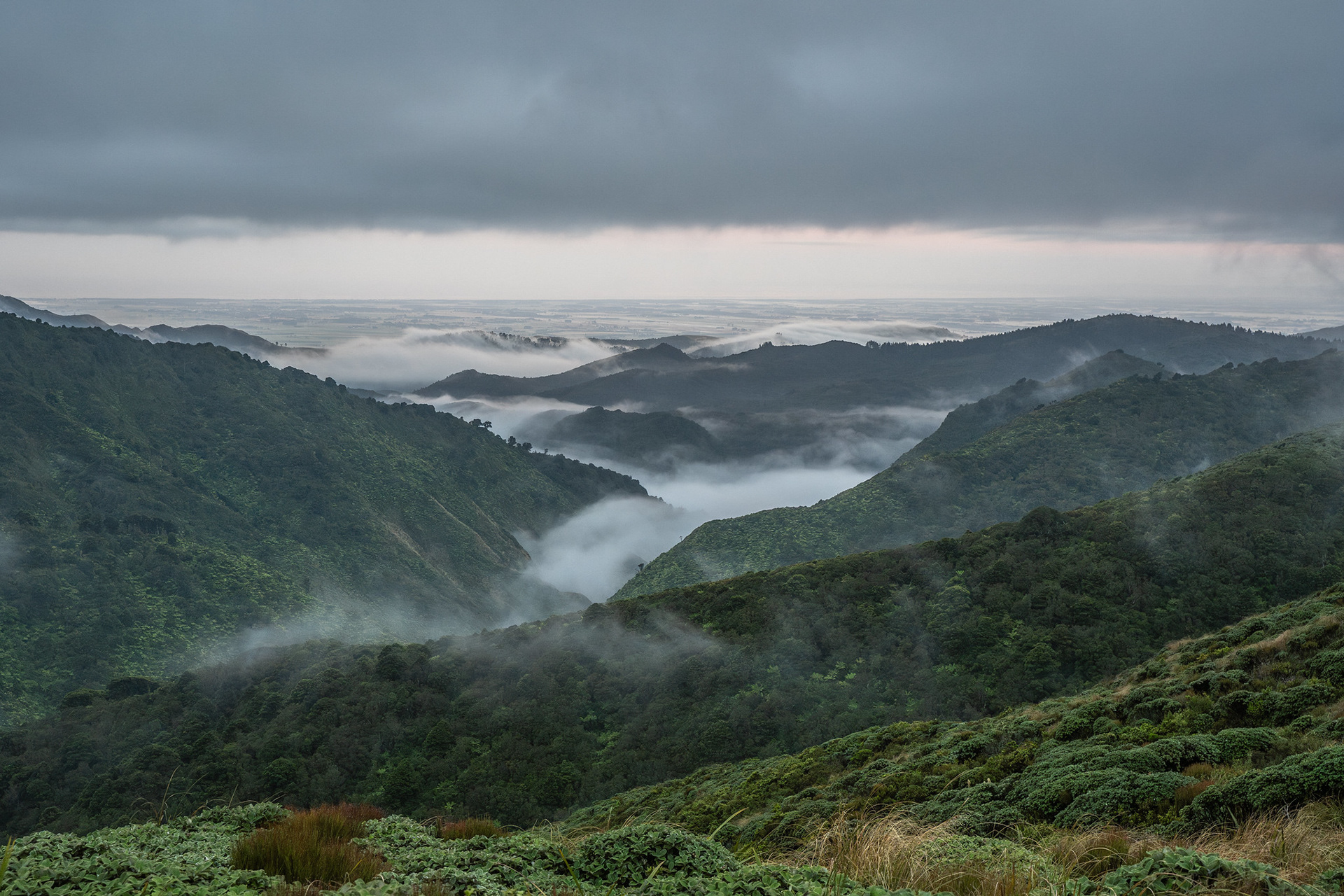
Cloud infilling some of the tributaries of the upper Mangahao.
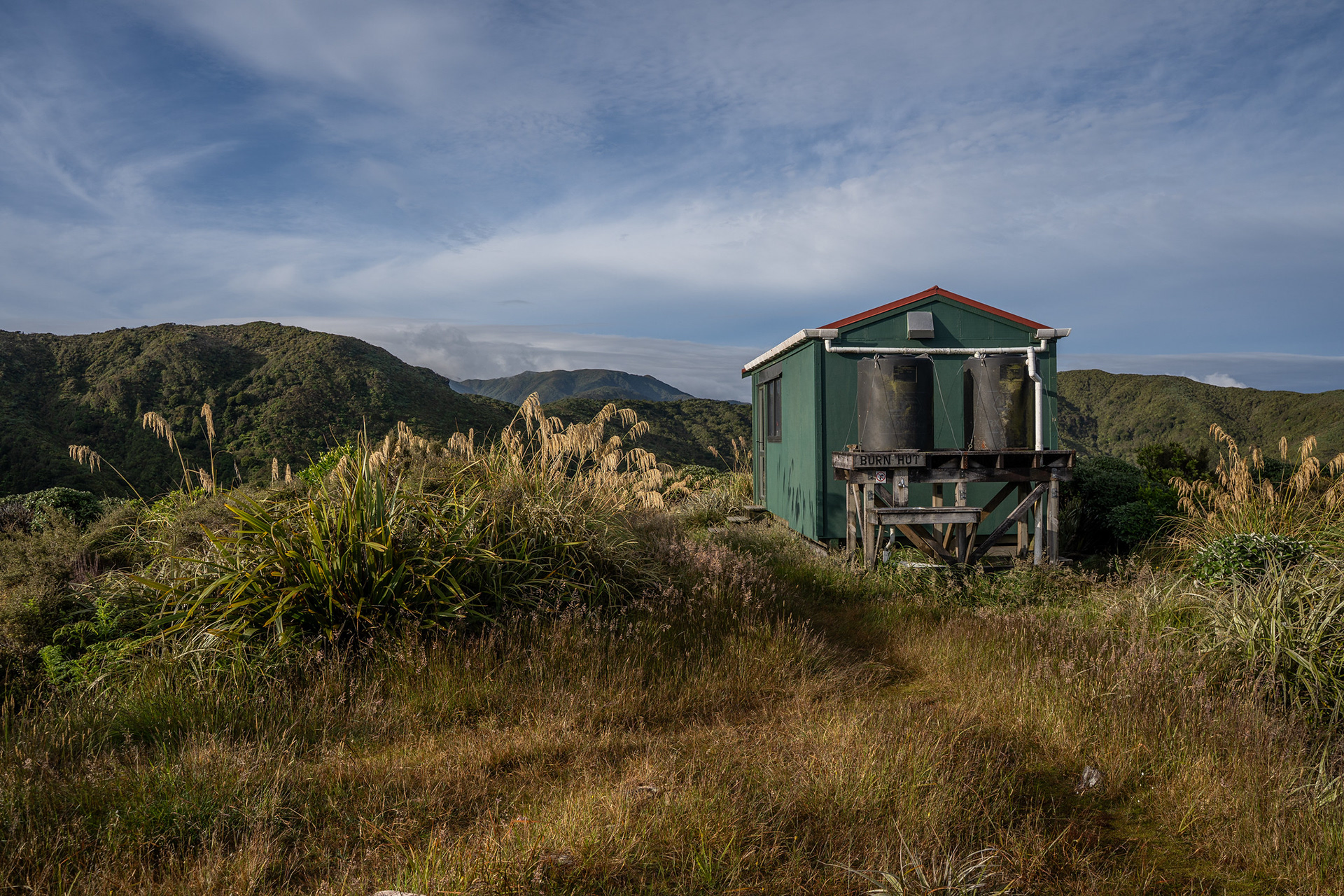
Burn Hut in less gloomy conditions.
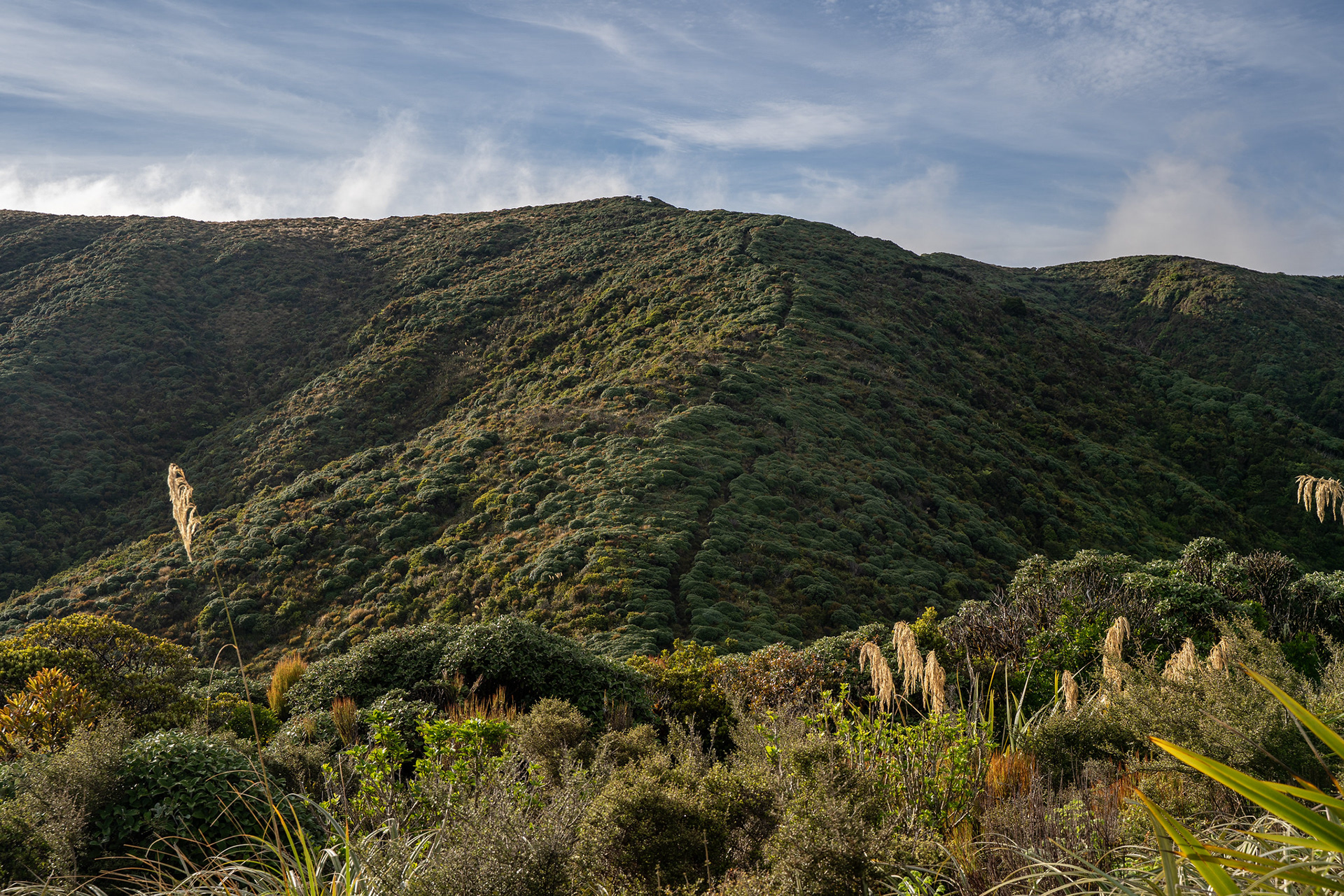
Having packed up and eaten, it was time to knock off the rest of the loop. Heading out, it's important to make the unsignposted hard left immediately after leaving the hut, the straight track just leads to the toilet which has its door intact once more. Following the range crest, the track drops briefly before commencing another climb. There are nice views back on this section to the hut, sitting proud amongst the extensive scrub.

The wide swathes of track up towards pt. 833.
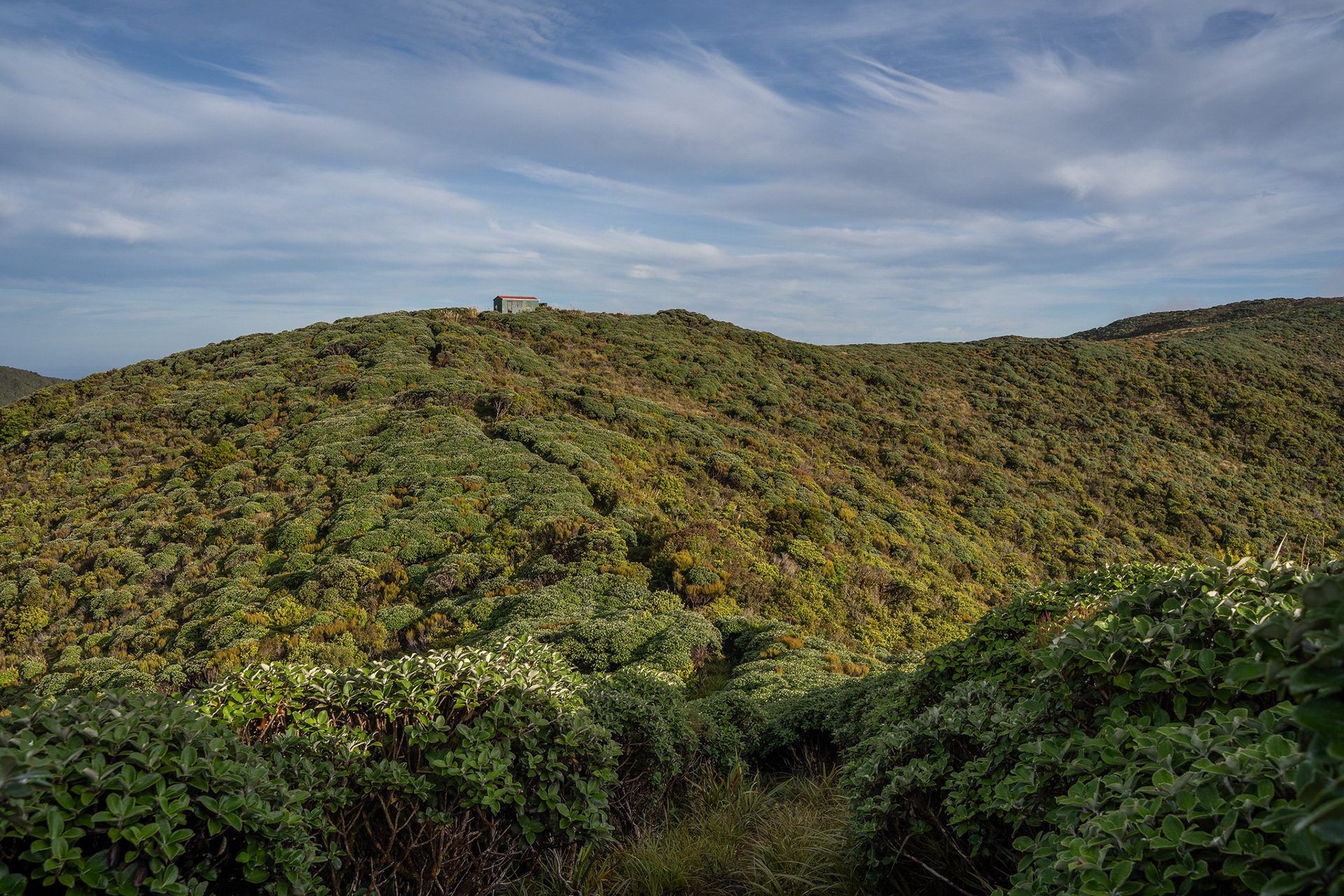
Burn Hut, the perch looks lovely from this angle.
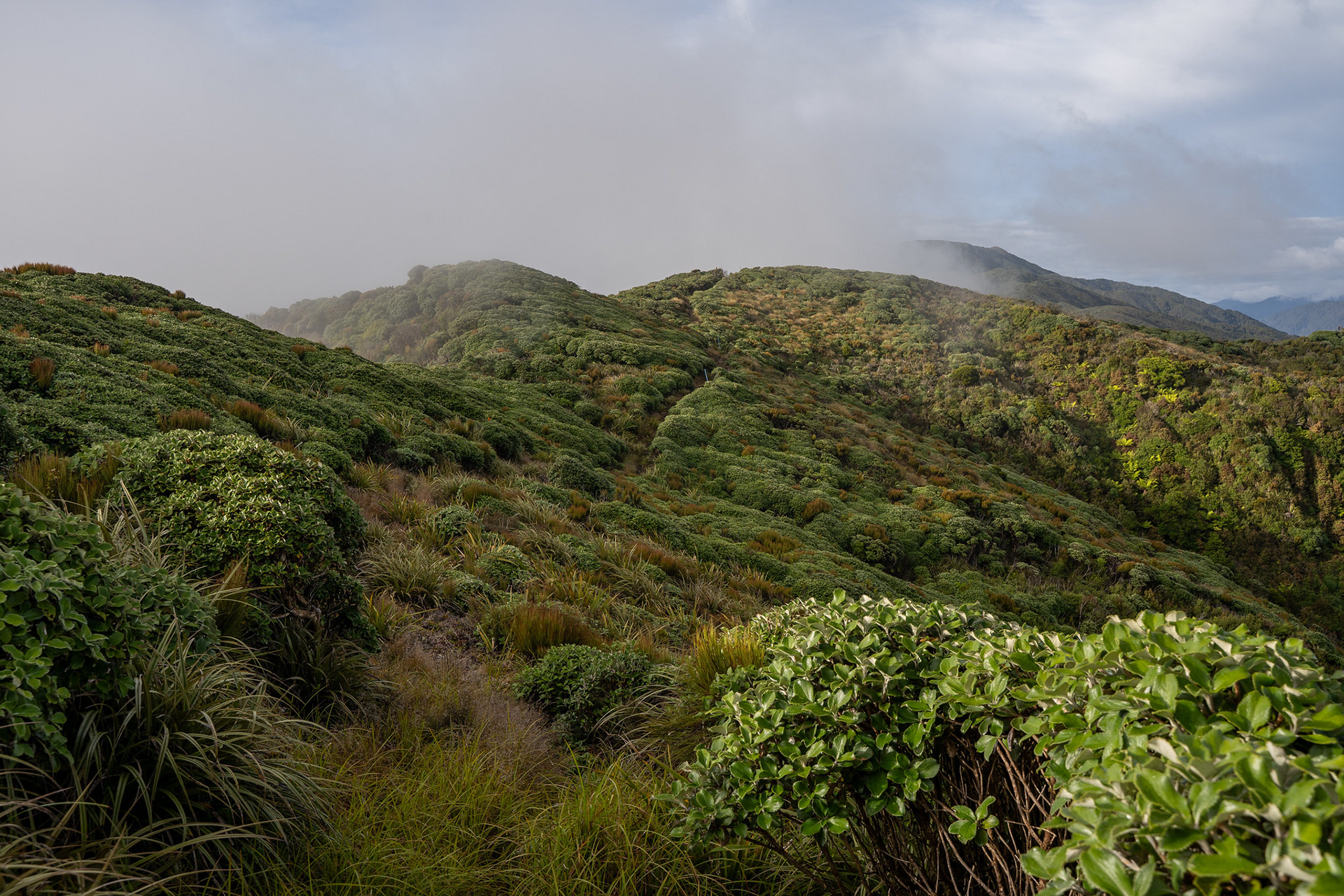
Once on the west ridge of Taramea, I was tempted to go bag the peak. My sensibilities won out though, as it sits a grand 4m high than pt. 833 (which the track does visit) and would have meant a kilometre long bash in mostly leatherwood. Visiting named peaks is nice, but the effort vs. reward metric in this case didn't seem to stack up so I continued the tracked path. There are nice views of The Camelbacks in this section, plus Peak (yes, that's literally the name of the hill).

Pleasant sidling under the crest by pt. 833.
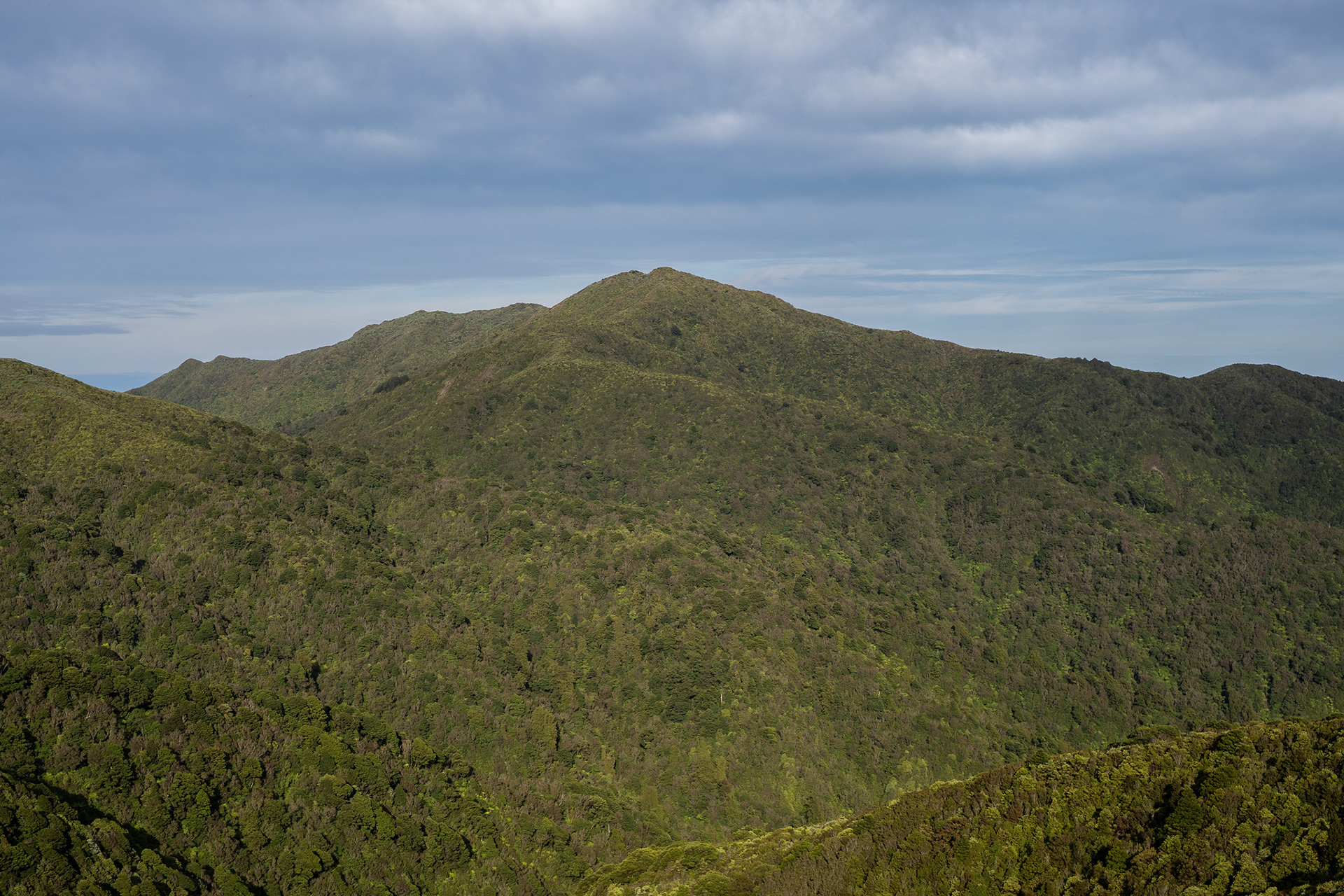
Peak. Not officially gazetted as a name but on the topo map, has been labelled as such for decades. Disappointingly, the name for the adjacent summits ("The Peaks") seems to have fallen by the wayside.
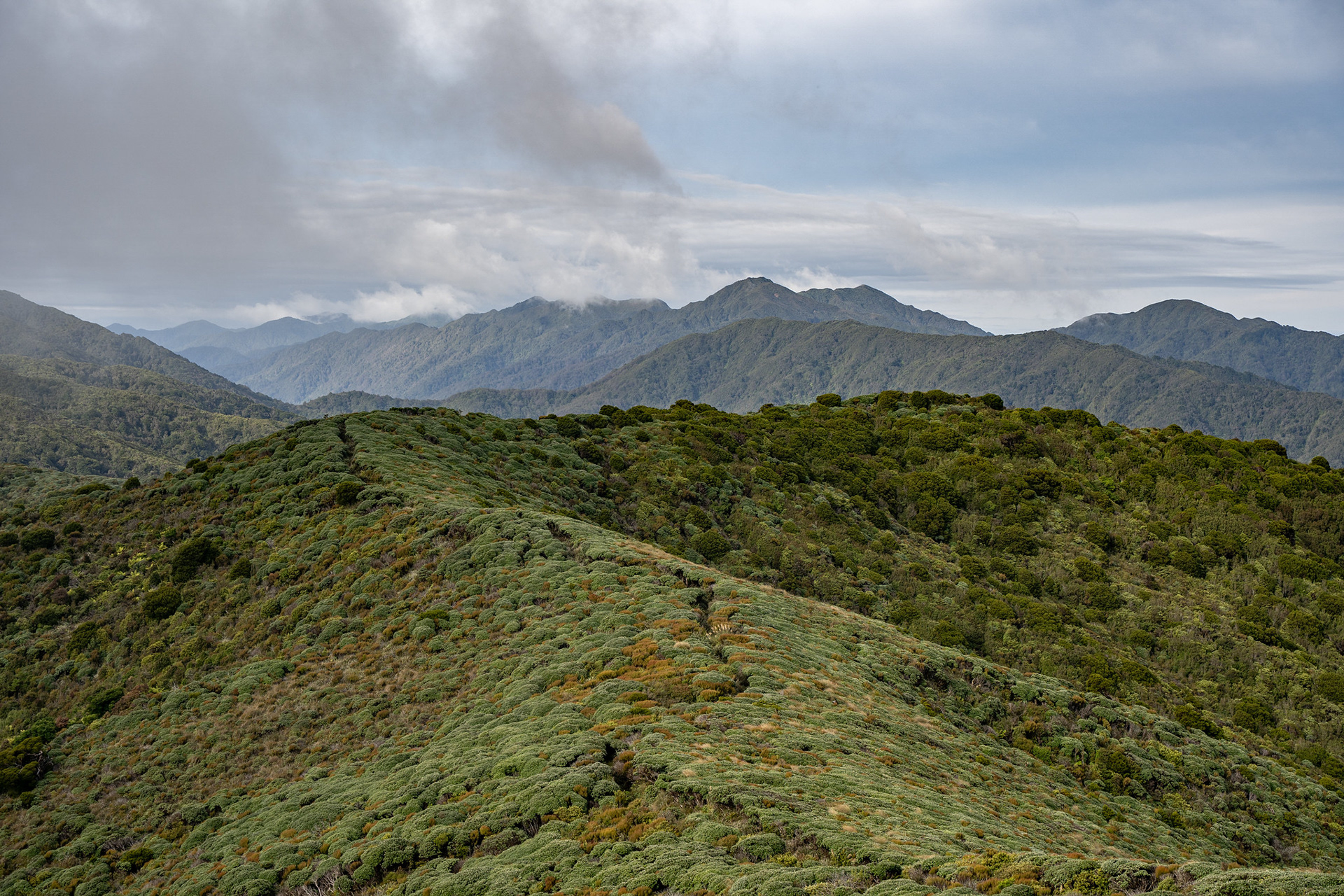
Some views across to The Camelbacks. They're very rarely visited because of the scrub, though there would be decent approaches off the TA trail from the north and from the south via the old Square Knob trail that took off from Poads Road.
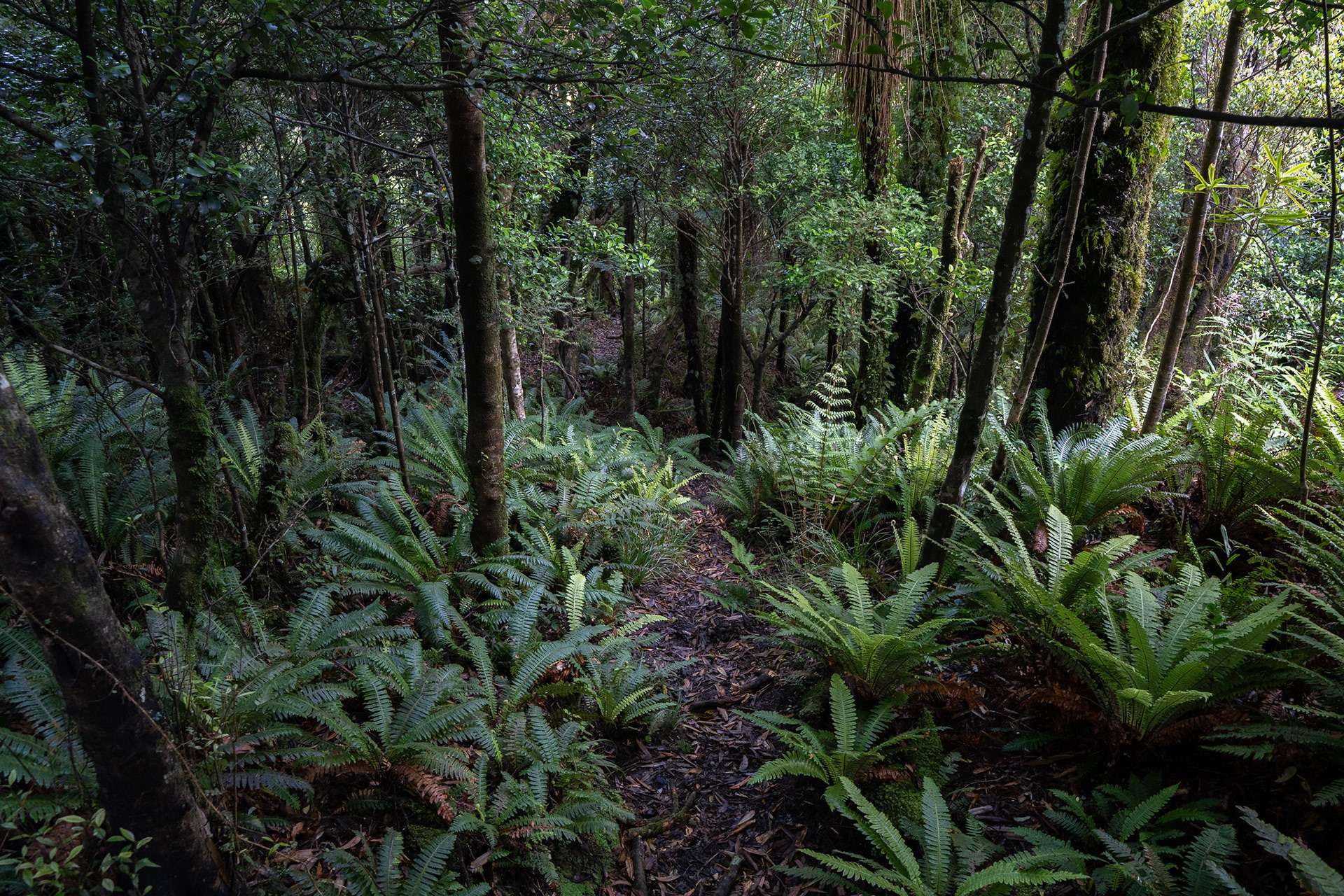
The route becomes a bit overgrown beyond pt. 835, but it's never hard. Once is gets out of the leatherwood, it becomes pristine in the forest and the descent is a pure delight.

Dropping through fern glades on the way to College Creek.
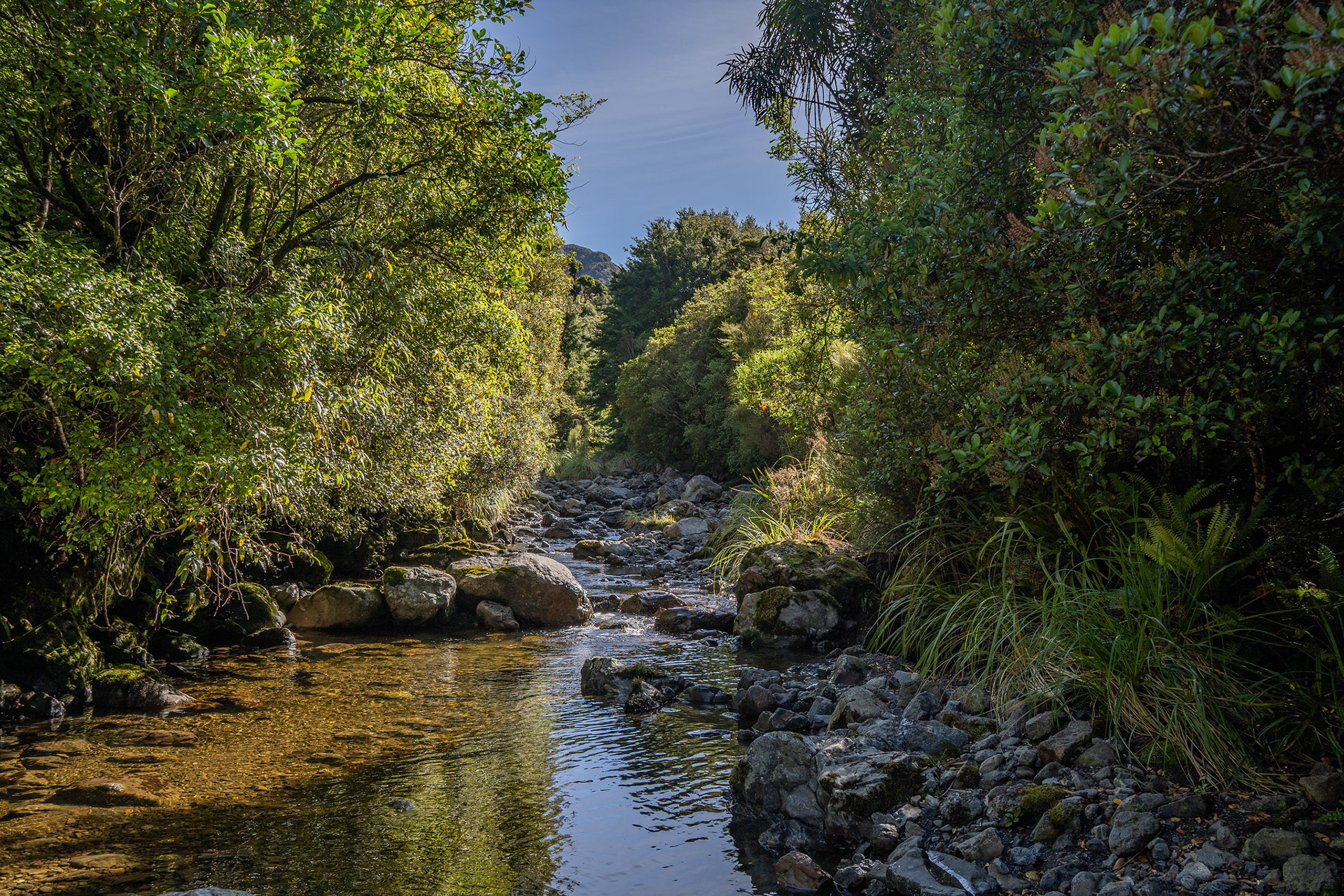
At the base of the descent spur, there's a sign ("Macks Track") and a watercourse. The route actually comes into the named headwater of the creek and not the confluence as shown, so you need to turn right and descend briefly before taking a left and following the creek proper. It's good travel, moderately quick by river standards with blocky river margins but good sections of direct shortcuts through open banks. There is a small gorge that needs to be travelled through slightly before the track resumes on the true right, but in normal flow conditions it's trivial.

The upper College Creek, gorgeous.

Middle reaches of the valley, closing in a bit.
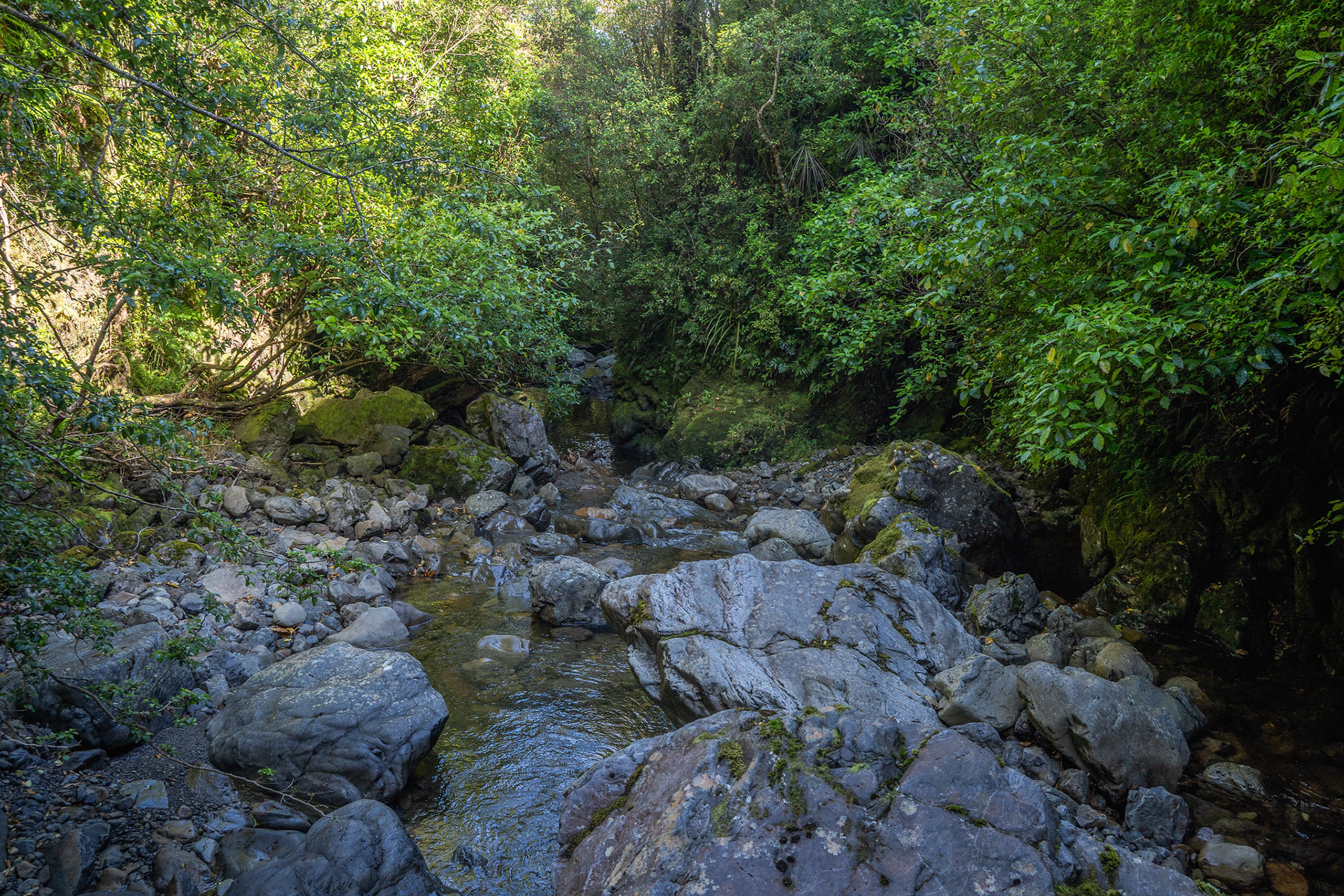
The more confined lower section, minor gorge approaching.
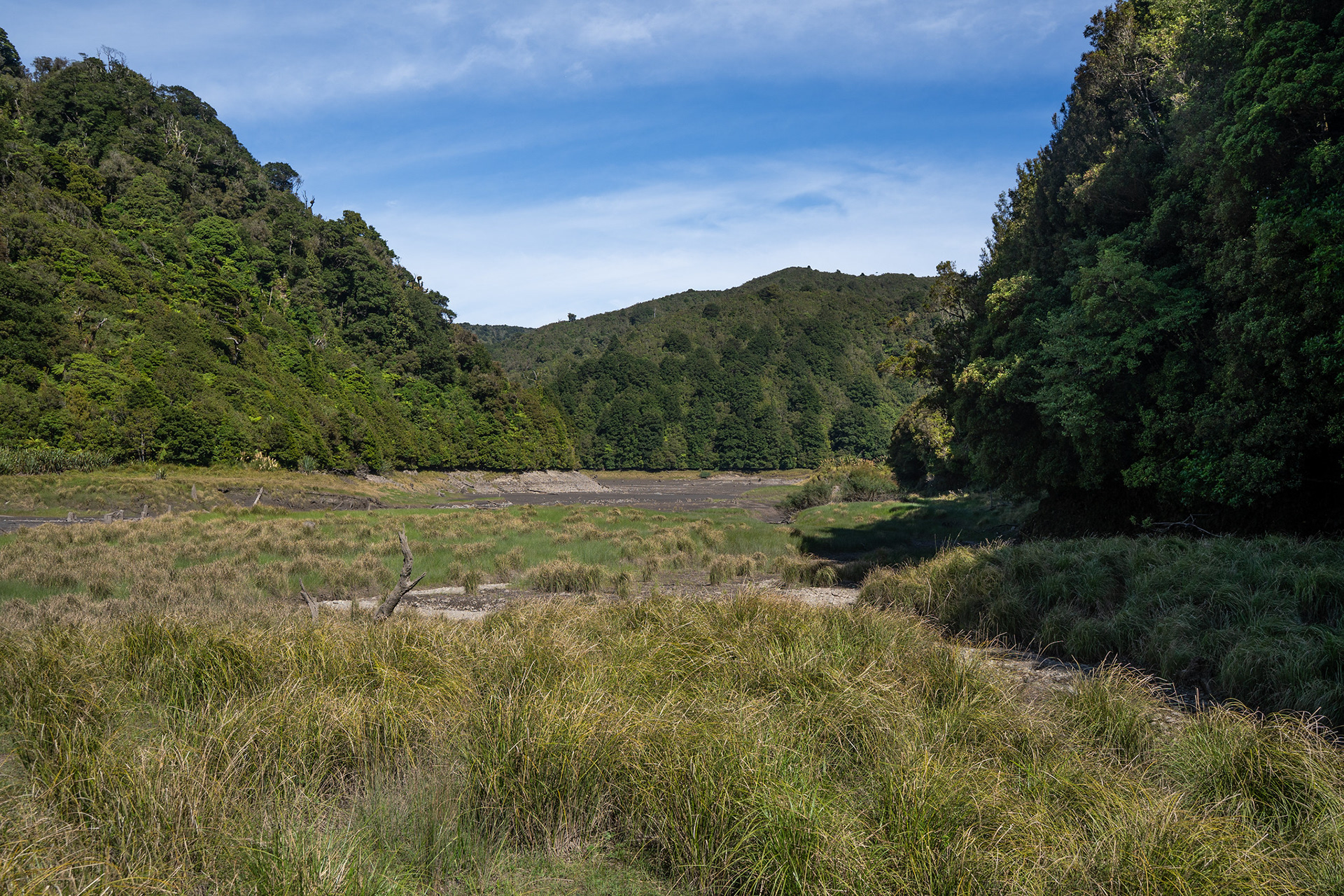
Beyond the travel in College Creek, the track resumes and continues down the true right. The topo trackline is not particularly accurate, the true track stays quite low initially until hitting the open flats on the eastern margin of the #1 reservoir where it does an almost 180 degree turn to climb the minor spur briefly and access a terrace. The last kilometre or so is a bit shambolic in places, don't be fooled into following the good ground trail a few hundred metres before the #1 dam - it basically just goes to the reservoir but doesn't seem to give a viable path back to the road.

High grass flats on the eastern corner of the #1 reservoir.
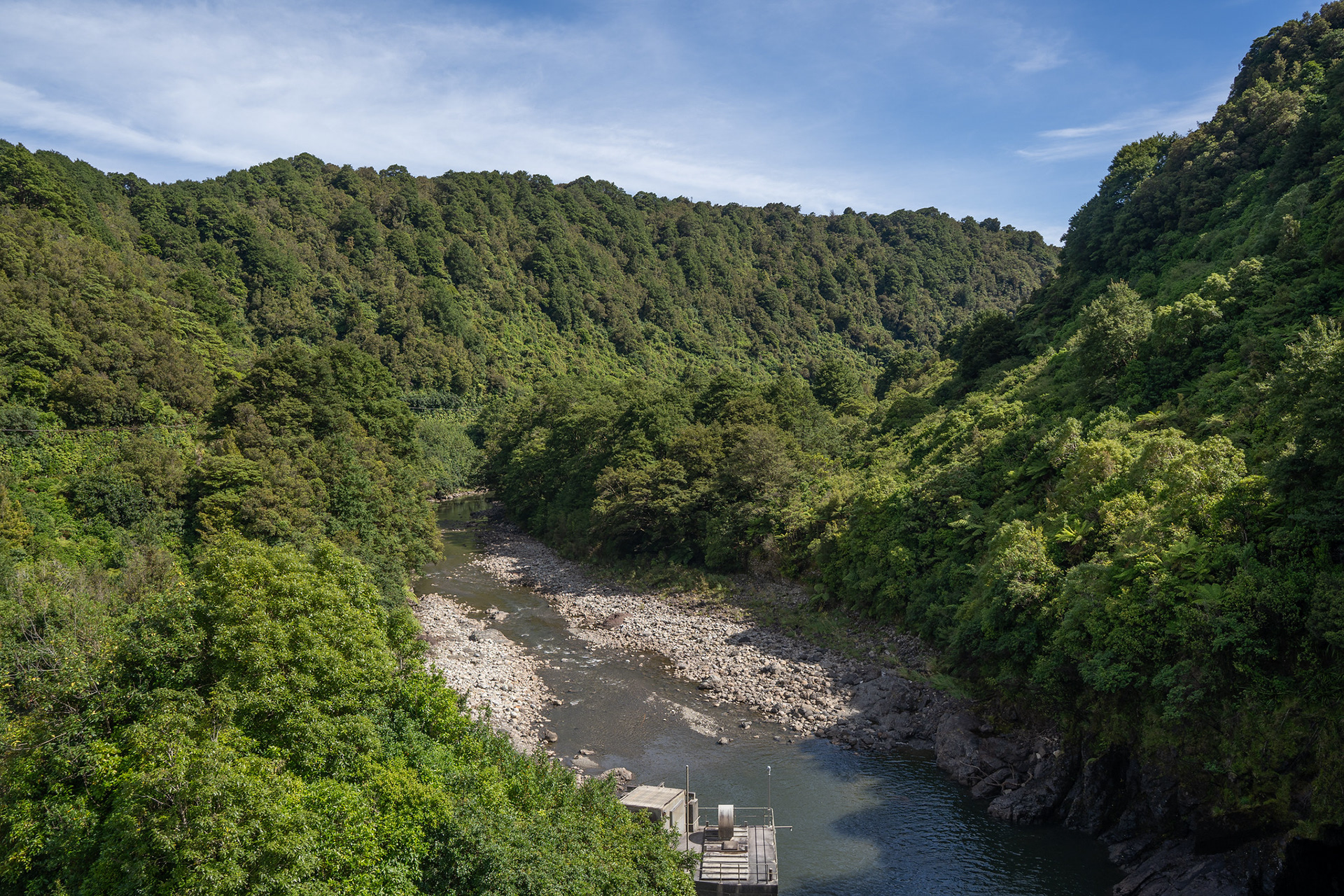
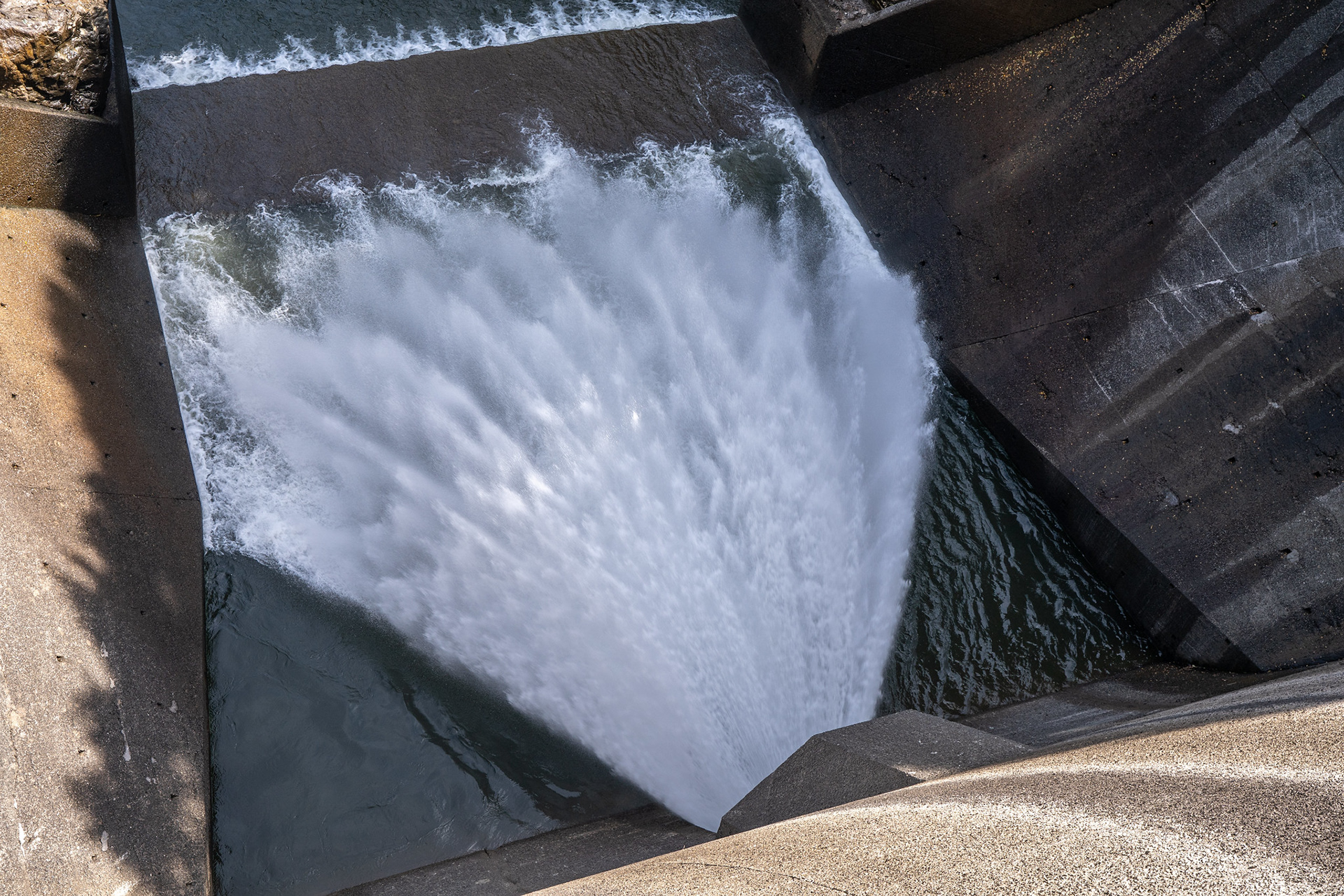
The route does eventually come out at the #1 dam, where there is an impressive spillway and lovely view of the dam wall itself. There's also a nice view of the Mangahao as it makes its way down towards the next reservoir in line.

Looking down the Mangahao.

The #1 dam spillway.
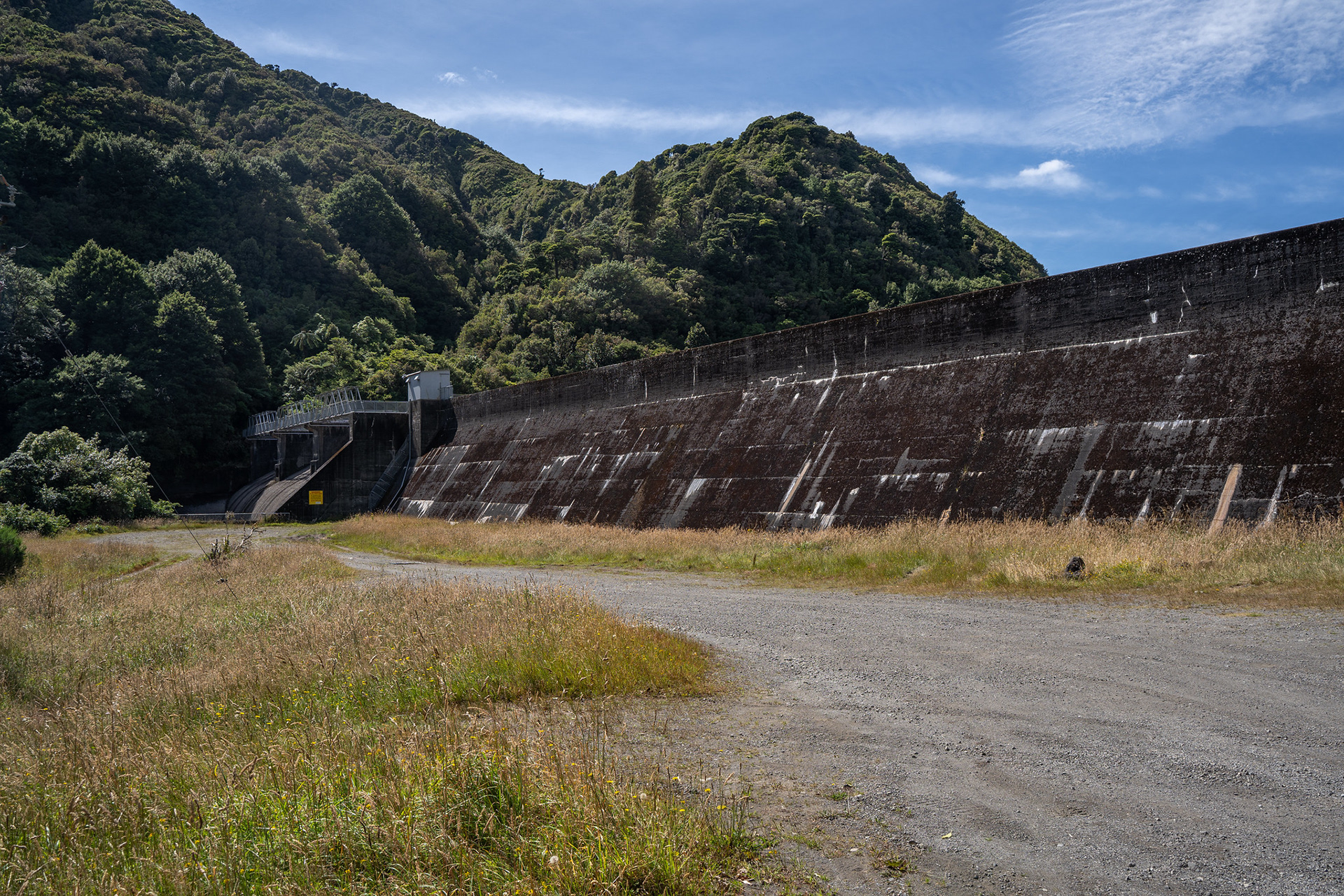
The dam wall, an impressive build.
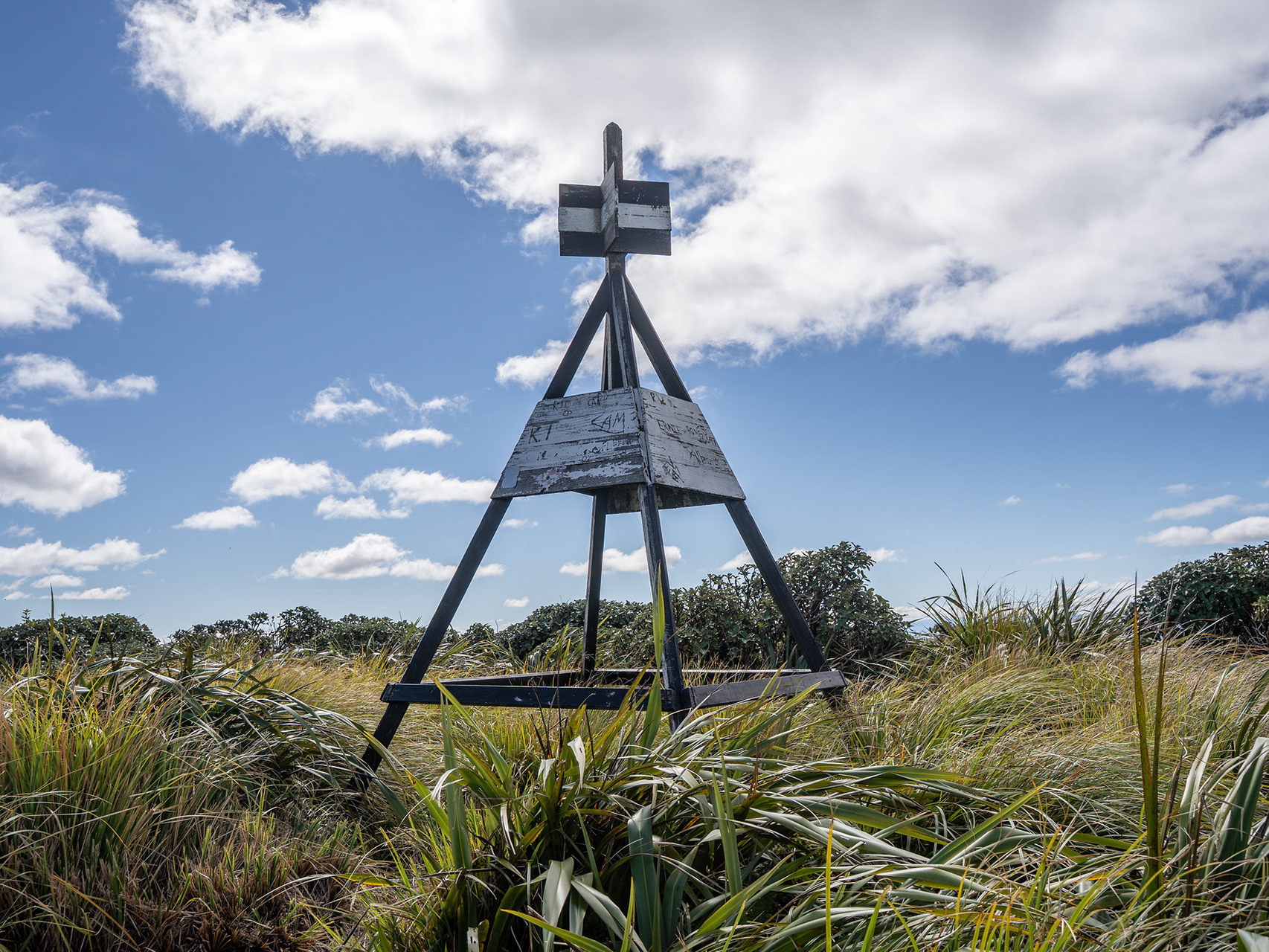
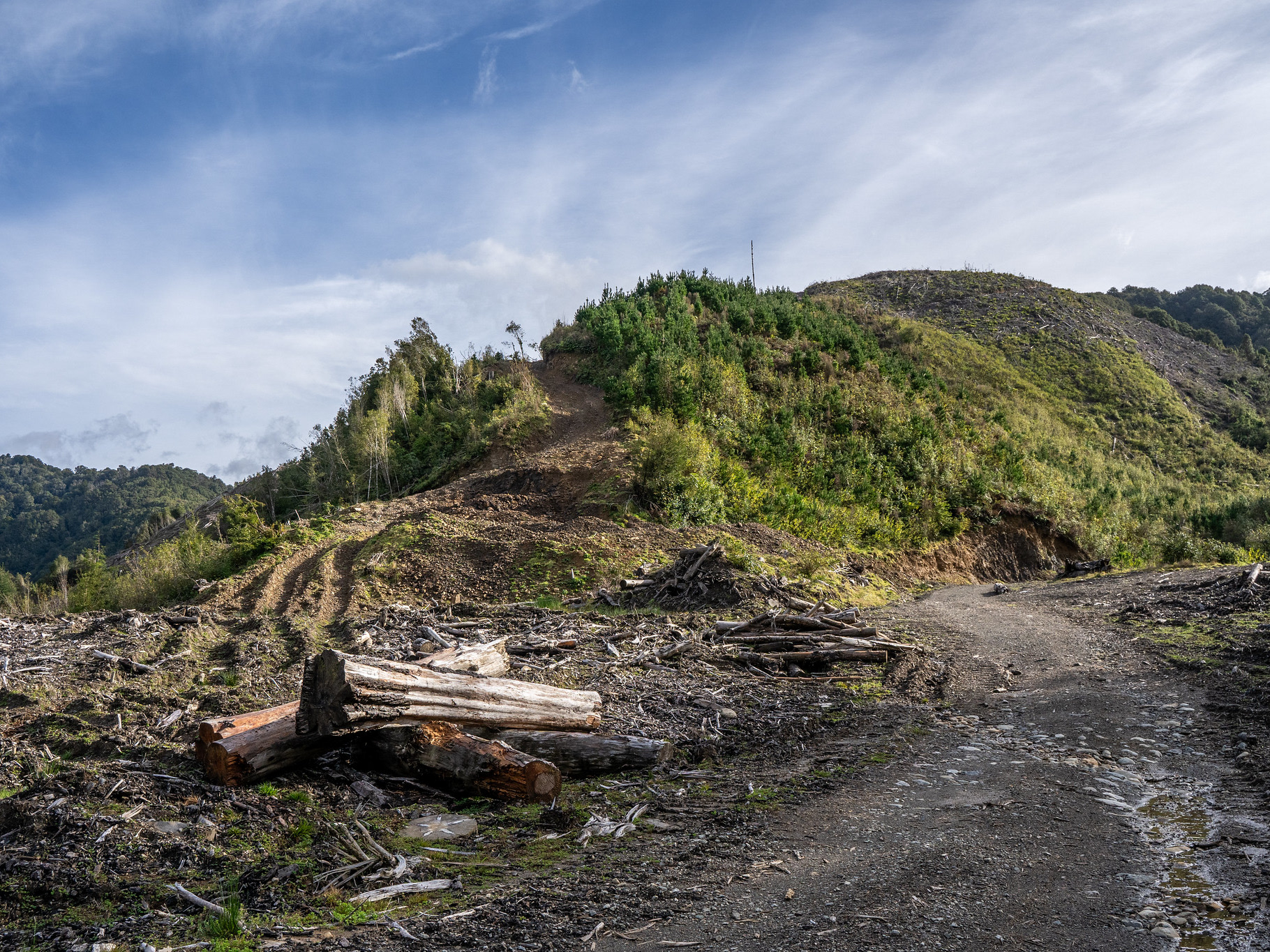
Beyond the dam, it's a somewhat mundane 4km road walk back to the carpark. It tends to be quiet and somewhat scenic, some degree of redeeming grace to close out the enjoyable trip to the hills. For me, Burn Hut - Mangahao #2 carpark (including the road walk) was circa. 3h - your mileage may vary.

You may also like

Back to Top